

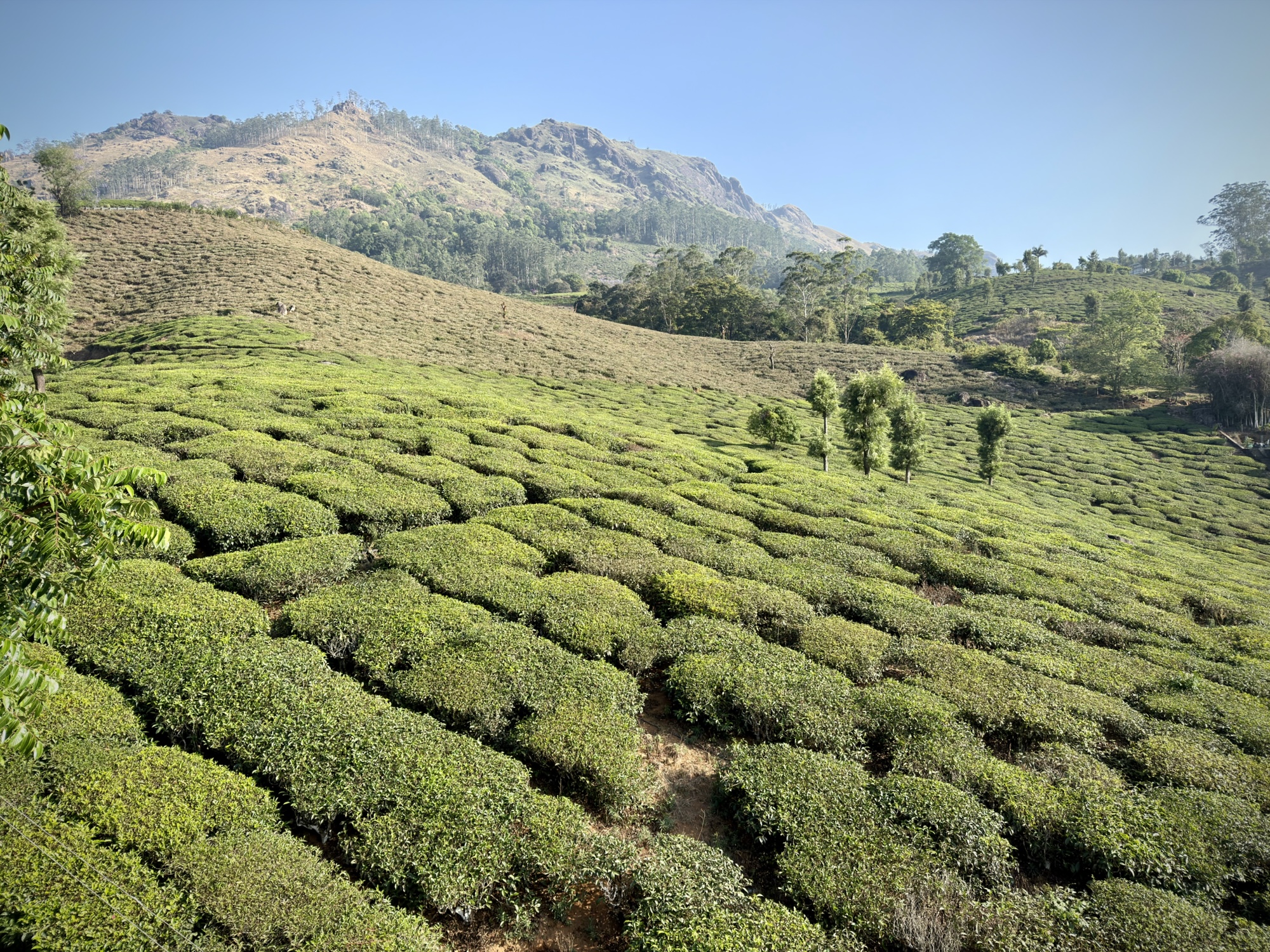

Four Relaxing Days in Munnar
Munnar works well as a destination. Three days would have been ideal. I had booked four.
That small miscalculation shaped the week. The main national park, Eravikulam, was closed for calving season and would not reopen until April. The alternative parks were either too far or not worth the drive. What remained was a pleasant hill station with one solid day of touring, an early-morning safari, and enough leftover time to catch up on everything I had been putting off since Mumbai.
The taxi day
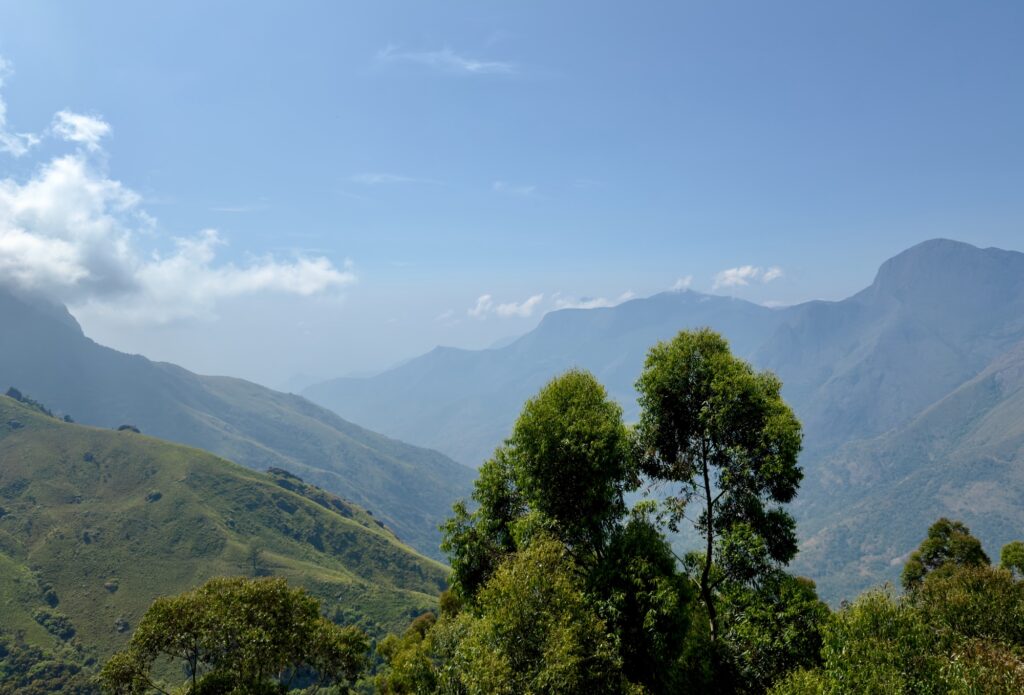
On the first full day I hired a taxi for a circuit of the main viewpoints and attractions. We drove to the furthest viewpoint first, which is the right call since clouds move in by late morning most days. The destination was Top Station, at 1,868 meters the highest point in the area and right on the Kerala-Tamil Nadu border. We arrived at ten and the clouds were already there. The view was good enough, but twenty minutes earlier would have been better.
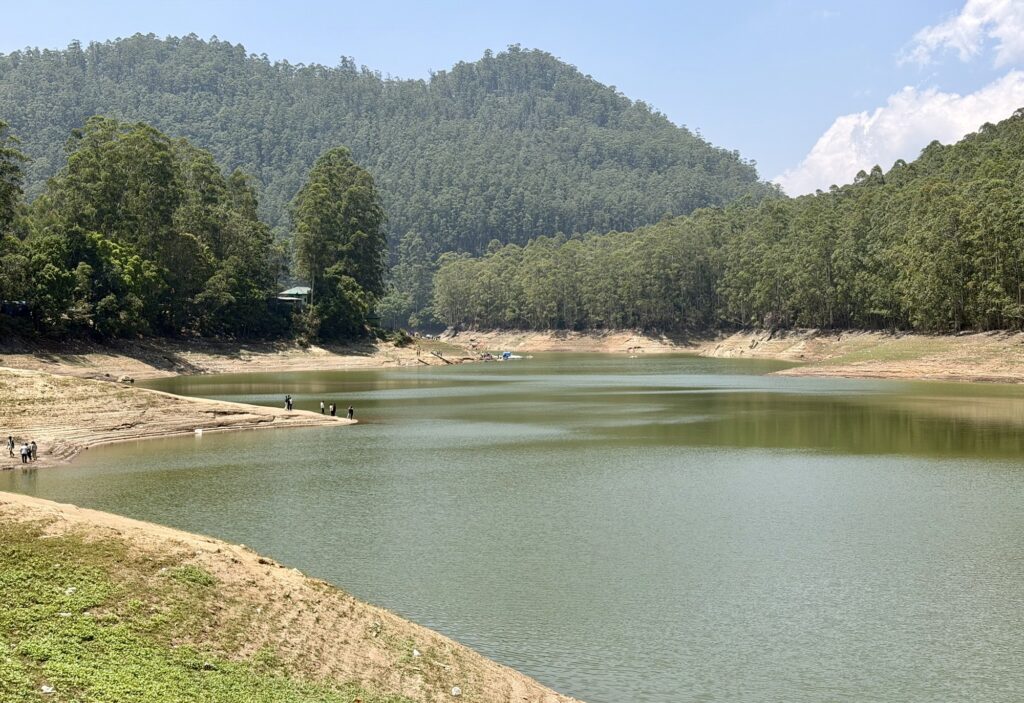
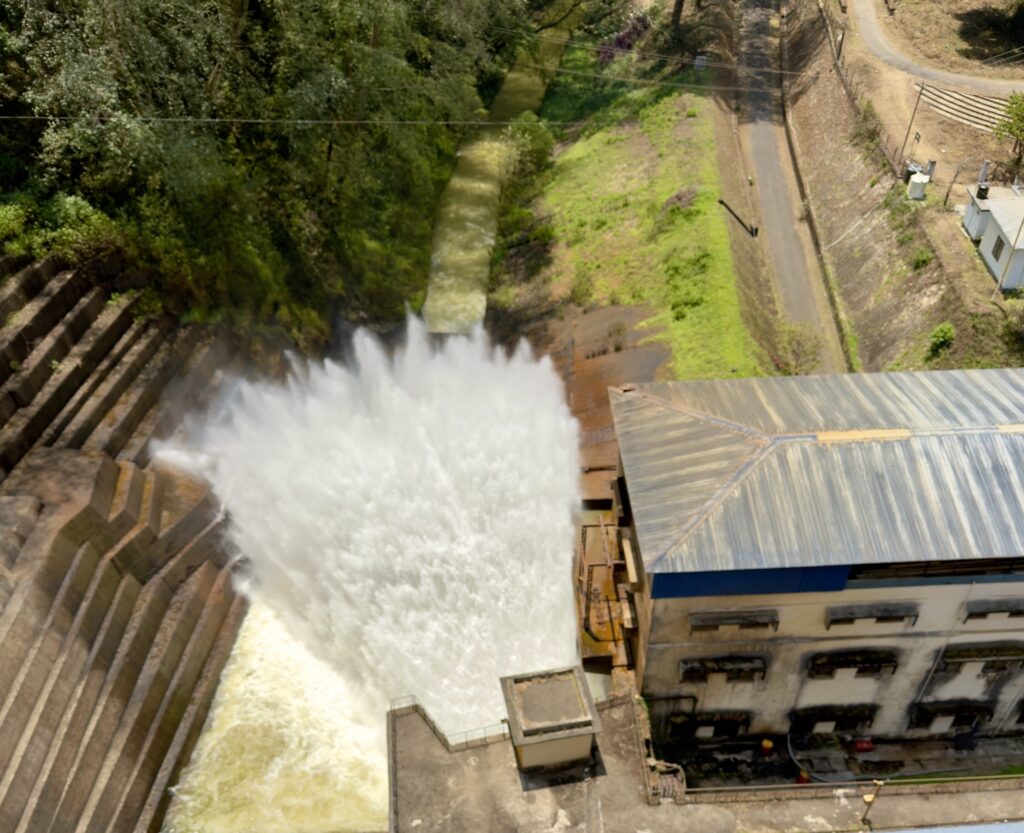
On the way back we stopped at two dams, Mattupetty and Kundala. Indians are remarkably fond of dams. Every tour itinerary includes at least one, usually two, and they draw significant crowds. These particular dams were fine pieces of civil engineering and said everything that needed to be said on the subject.
The Madupatty Tea Factory was more interesting, at least visually. The tour was conducted entirely in Hindi, which meant I could move ahead of the group and photograph the machinery without interruption, in clear violation of the posted signs. A tea factory is a photogenic place and the restrictions are difficult to take seriously when the guide is explaining the withering racks to fourteen people who cannot understand him.
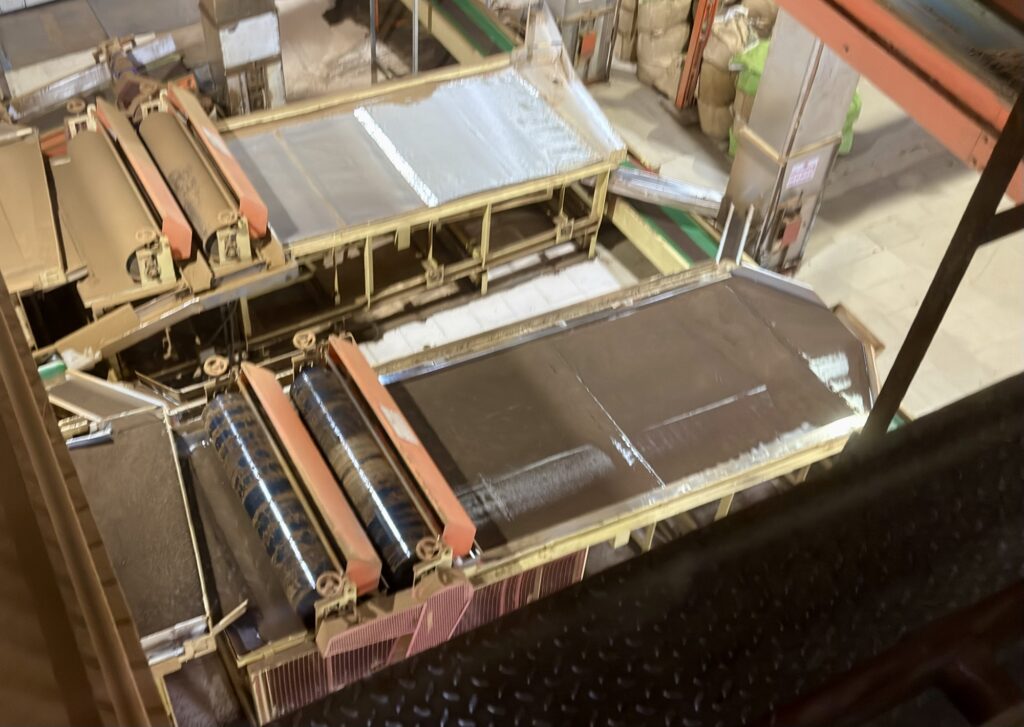
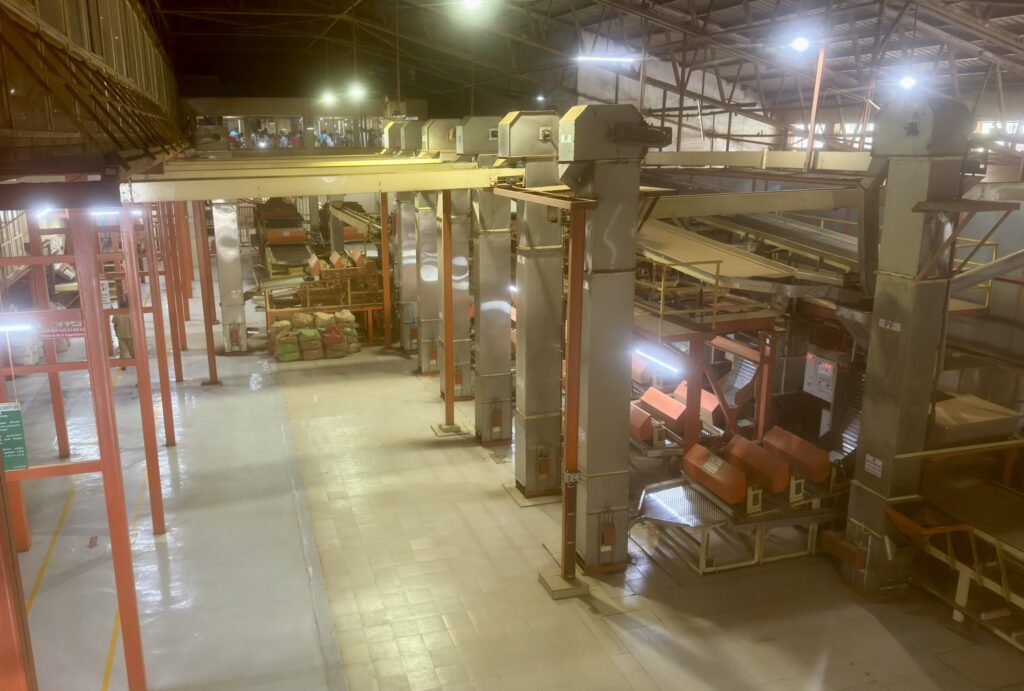
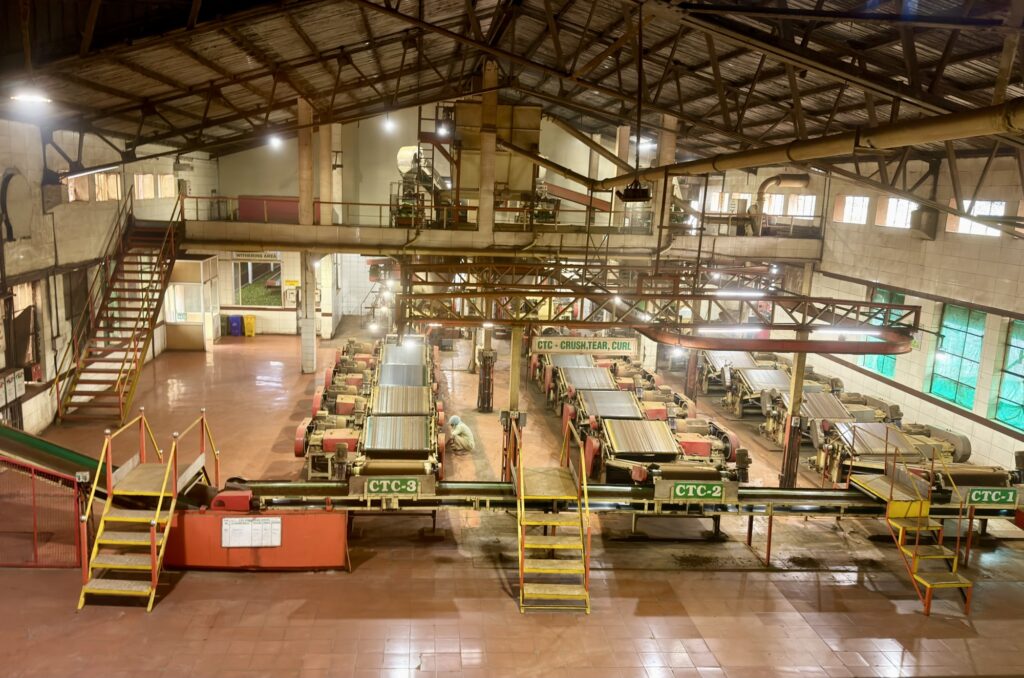
The afternoon stop was the Ayur Valley Spice Center, where a private guide walked me through the garden: cardamom, pepper, nutmeg, vanilla, each with an explanation of both culinary and medicinal use. At the end came the clinic. An actual doctor interviewed me about my arthritis and wrote a prescription: two herbal pills, one morning and one evening, plus a packet of herbs to heat and press against the affected joint. I left with two months’ supply. She recommended four, but that would have filled half the pack.
The days between
The middle two days settled into an unhurried rhythm that was, on balance, welcome. A long trip produces its own backlog and there is always a point where it makes more sense to stop moving and deal with it. I paid bills, answered emails, worked on the blog, and spent the better part of an afternoon getting the nomad70plus website organized: a new articles page, a travelog section, both with infinite scroll. It had been on the list for weeks.
For lunch I took a tuktuk four kilometers down to Chithirapuram, a single-street town with a reasonable selection of restaurants. Squid with steamed rice at a small local place, basic and good. The return fare was less than a dollar fifty.
The dawn safari
On the fourth morning the driver arrived at 5:45 AM, well before sunrise, and we set off on roads that would have been challenging at any speed. My driver was a speed demon but I was the only passenger, which meant the front seat and a seatbelt, a genuine luxury. Riding on the back benches with six others would have been a challenge.
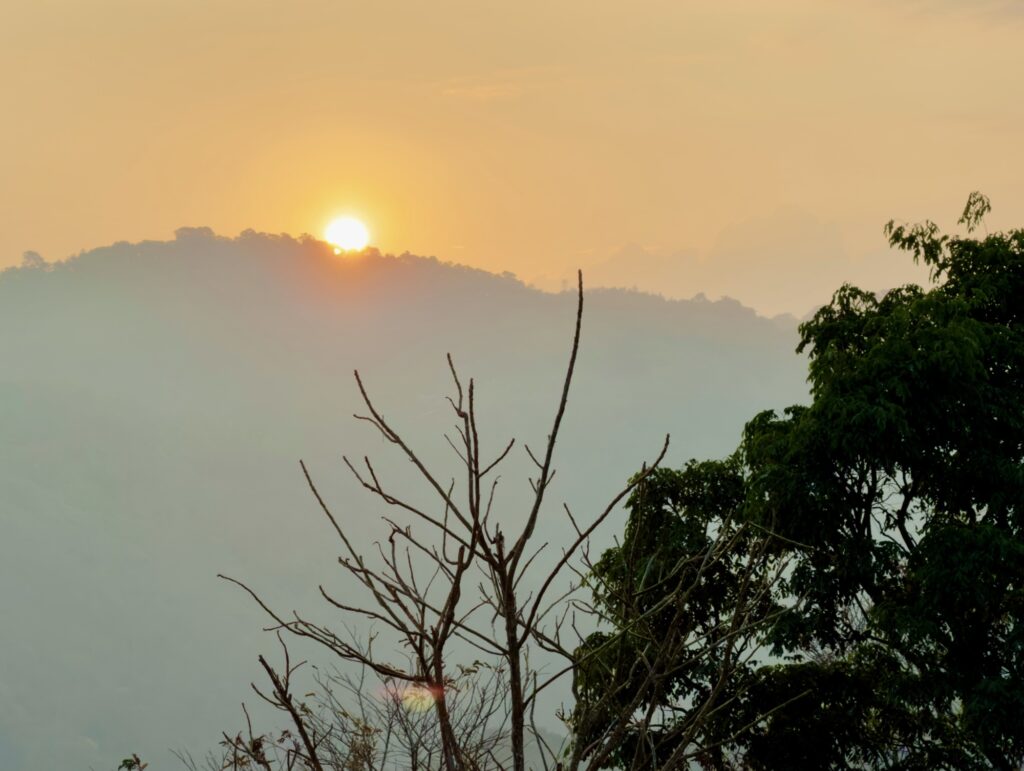
The first stop was a sunrise viewpoint. Several other jeeps had the same idea. The tourists were almost entirely Indian families, and the main activity was photographing one another in front of the view. This is a pattern I have noticed at every tourist site in India: the sight itself is secondary to documentation of the family before it. I have come to find it endearing rather than puzzling.
A dam followed, then the dam wall, then a hanging bridge over the river below. The river was mostly dry. Monsoon season was still weeks away and the reservoirs were running low. The last stop was a waterfall, busy with people doing athletic poses in the spray.
Afterward I asked the driver to drop me in town, found a small restaurant serving breakfast, and ordered masala dosa on the waiter’s recommendation. I finished it. It was spicier than I would have chosen, but finishing it felt like a reasonable achievement for 9 AM.
Four days was one too many. The day of touring, the early safari, and the administrative interlude each had their own logic. Munnar provided the rest. Three days would have been the right call.
India and Sri Lanka 2026 — all posts
- Day 1 — 24 Hours to Mumbai
- Day 2 — First Morning in Mumbai
- Day 3 — Exploring Mumbai
- Dhobi Ghat: Mumbai’s Laundromat
- Day 4 — Sightseeing in Colombo: One Day is Enough
- A Short History of Ceylon
- Day 5 — Kandy: Moving into the Mountains
- Day 6 — Moving on to Ella
- Day 7 — Hike and Sunstroke
- Tea in Sri Lanka: From a Blight in 1869 to Four Million Cups a Day
- Day 8 — Nine Arches Bridge
- Day 9 — Tuktuk Tour Around Ella
- Day 10 — Time to Leave Ella
- Orphans of Udawalawe: Inside Sri Lanka’s Elephant Transit Home
- Day 11 — Safari and Galle Fort
- Day 12 — Onwards to Negombo for the last day in Sri Lanka
- Day 13 — All the problems concentrated on a single day
- Royal Enfield: Why India Rides Different
- Day 14 — The Kerala Backwaters
- Day 15 — Local bus to Munnar
- Leyland, a familiar name from the past
- Buying a beer in Kerala: Local knowledge required
- Mahindra: The Jeep That Never Left
- Discovering India Through Its Food – One Plate at a Time
- Day 16-19 — Four Relaxing Days in Munnar
- Day 20 — Travel to Kumily
- Day 21 — I Was Ready, Tigers Were Not
- Kathakali and Kalaripayattu
- Day 22 — Kumily to Varkala: The Journey is the Reward
- Day 23 — Slow day in Varkala
- IndiGo: Air travel for the masses
- Day 24 — Breakfast in Varkala, lunch in Bangalore, dinner in Goa