
Mahindra: The Jeep That Never Left
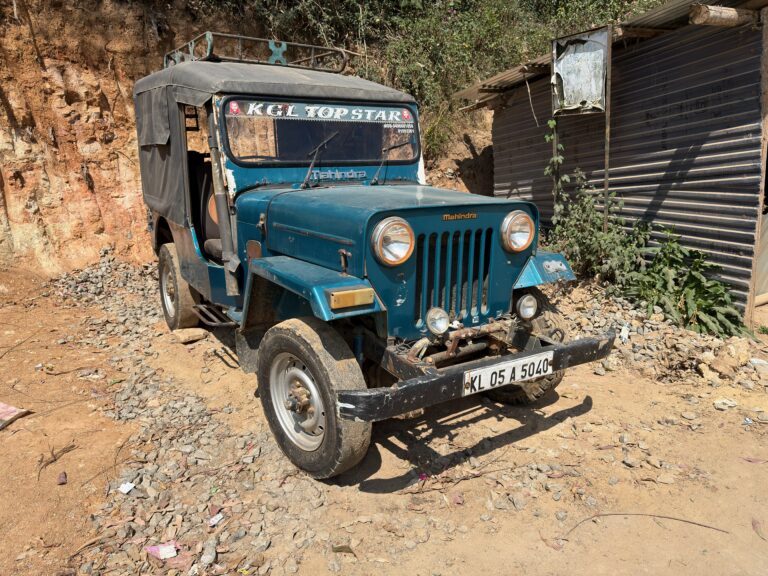
It looks like a 1953 American Jeep. The badge on the front says Mahindra. How a 1947 licence deal outlasted the original by several decades and ended up in Kerala.
It looks like a 1953 American Jeep. The badge on the front says Mahindra. How a 1947 licence deal outlasted the original by several decades and ended up in Kerala.
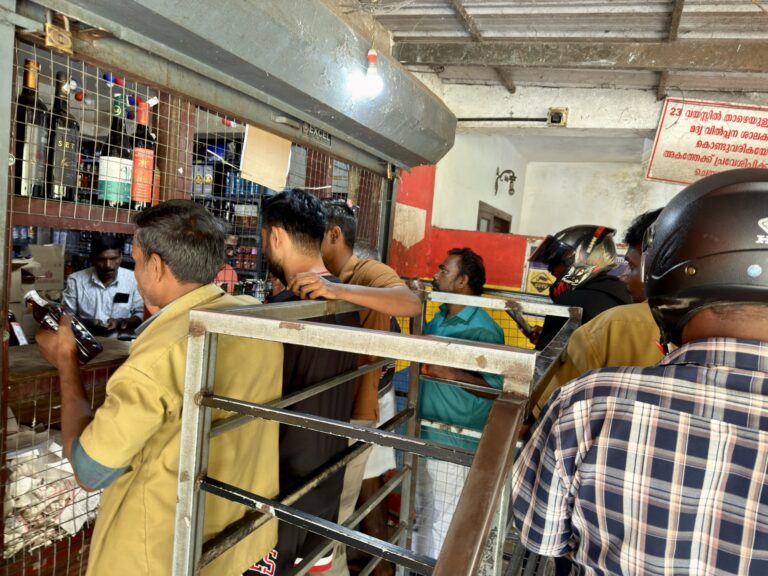
The hotel room had a fridge. That detail matters at mid-afternoon. Getting alcohol into it meant the Bevco monopoly, unmarked shopfronts, and three official seals.
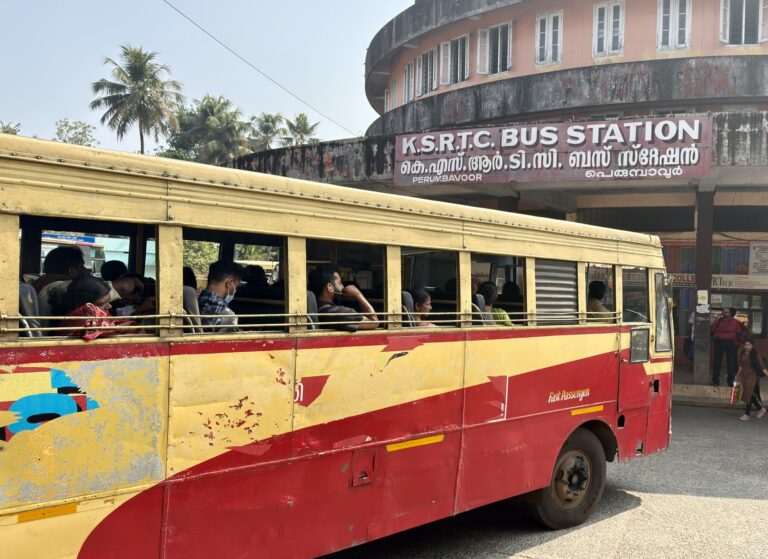
I had planned to walk. Uber offered a ride for under two dollars, which settled it. Five hours by local bus into the Western Ghats, no AC, no glass in the windows.
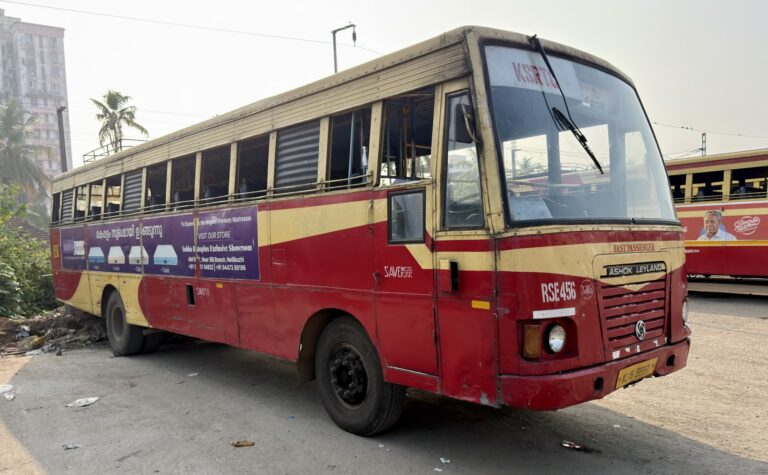
The bus from Kochi said Ashok Leyland on the front. I recognised the name from British roads. How a UK lorry brand became one of India's largest bus manufacturers.
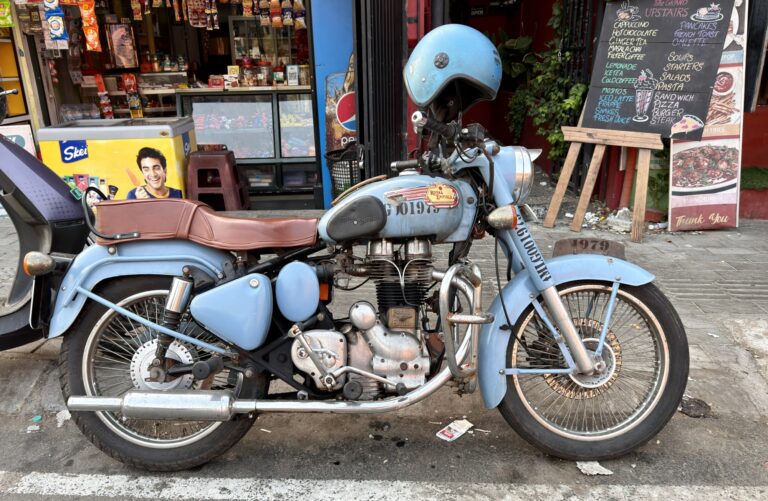
In Southeast Asia, scooters rule. India rides something heavier and has done so since 1955. The reason is historical, and the sound is not accidental.
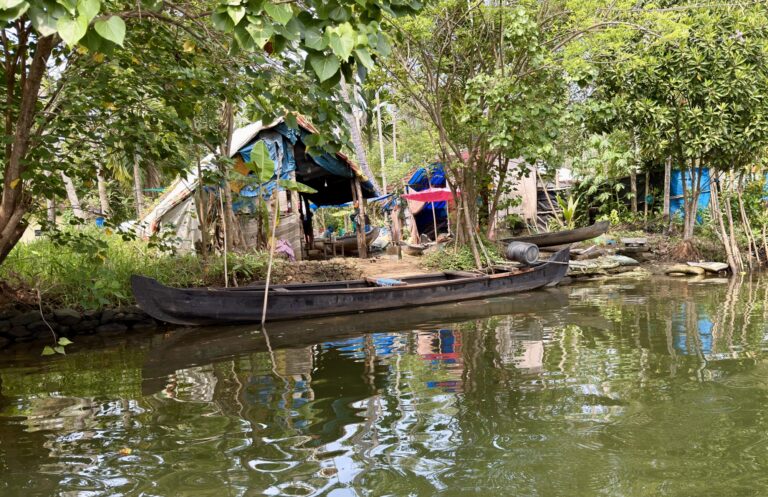
The tour departed 200 metres from my homestay. I had done my research. Six hours on the backwaters: pole boat, mussel harvest, lunch on banana leaves, quiet canals.
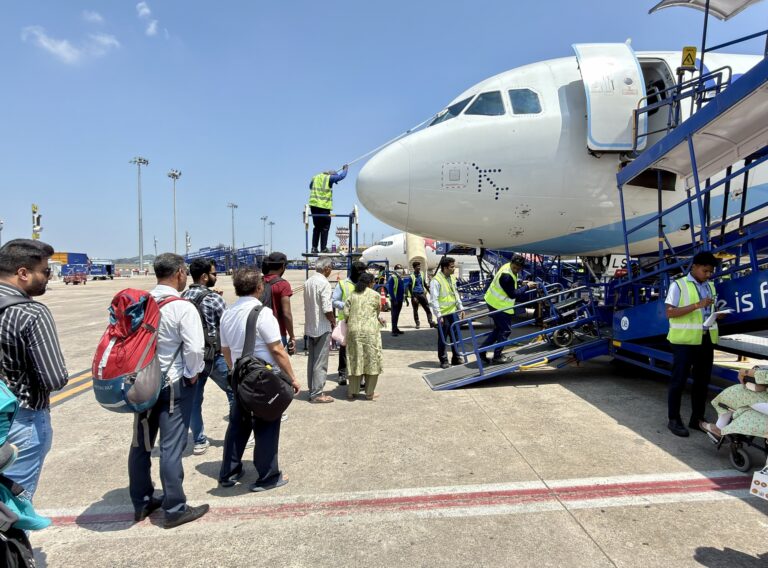
IndiGo had moved my connecting flight. Nine hours of layover added, no warning given. The airline, the check-in desk, and a Modi motorcade all on the same day.
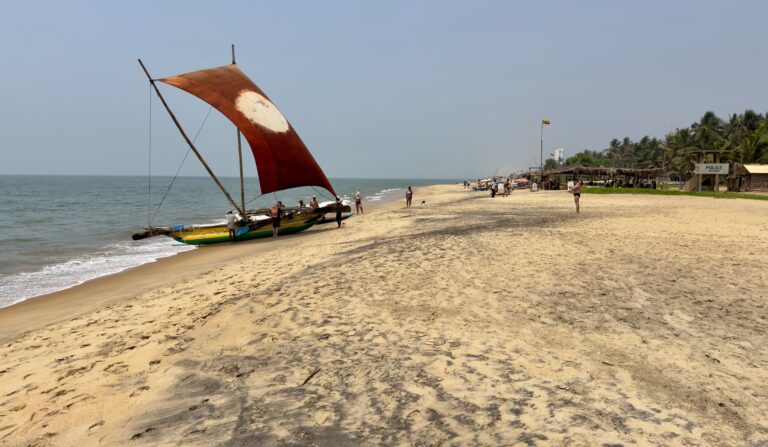
Eight kilometers from the airport. That was the only reason to come. It proved sufficient: a fishing harbour, a Dutch fort, and a fish market worth an early morning.
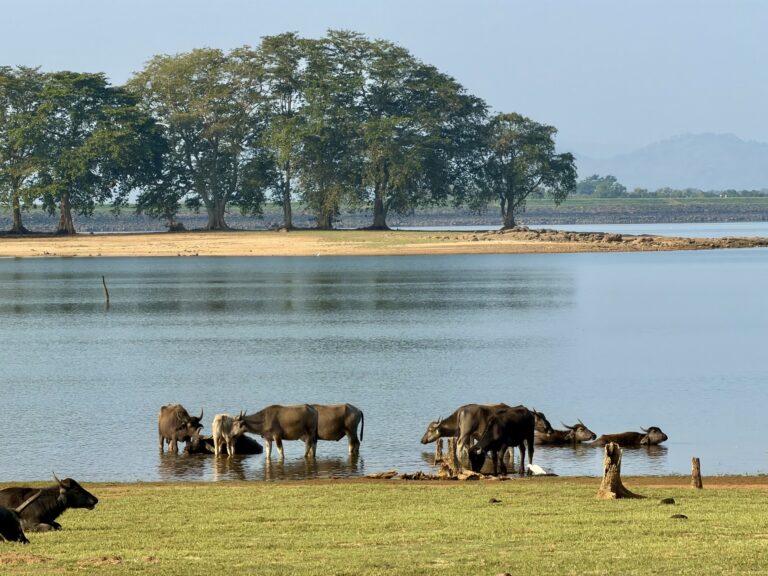
At 5:30 the jeep arrived. By 6 AM we were through the gates of Udawalawe. A morning with elephants, then a two-hour drive to Galle and 400 years of history.
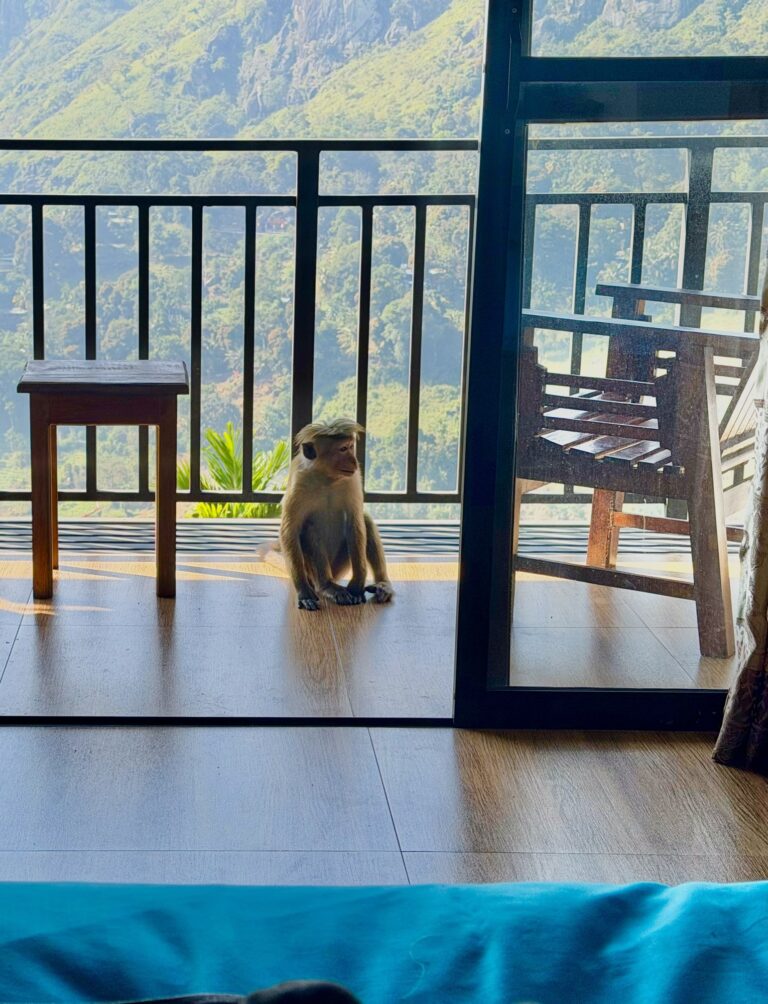
She had everyone's WhatsApp numbers before we reached the first junction. Ella to Udawalawe by shared minivan: how strangers become safari companions in an hour.