

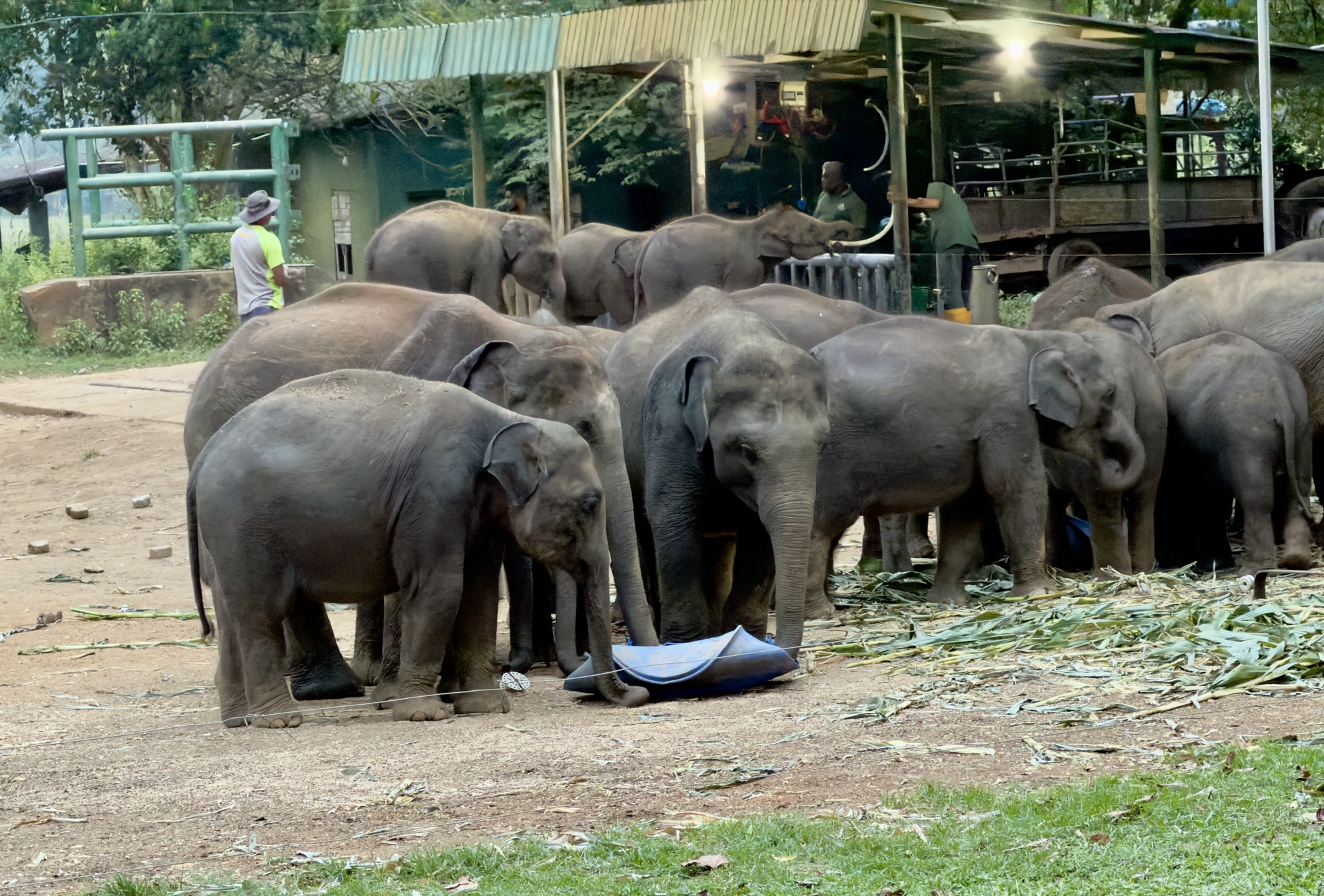

Orphans of Udawalawe: Inside Sri Lanka’s Elephant Transit Home
The late afternoon light was turning golden when I arrived at the Elephant Transit Home just outside Udawalawe National Park. I had been in the country long enough to have developed a healthy skepticism toward places that market themselves as elephant sanctuaries. This one is different, and you know it almost immediately.
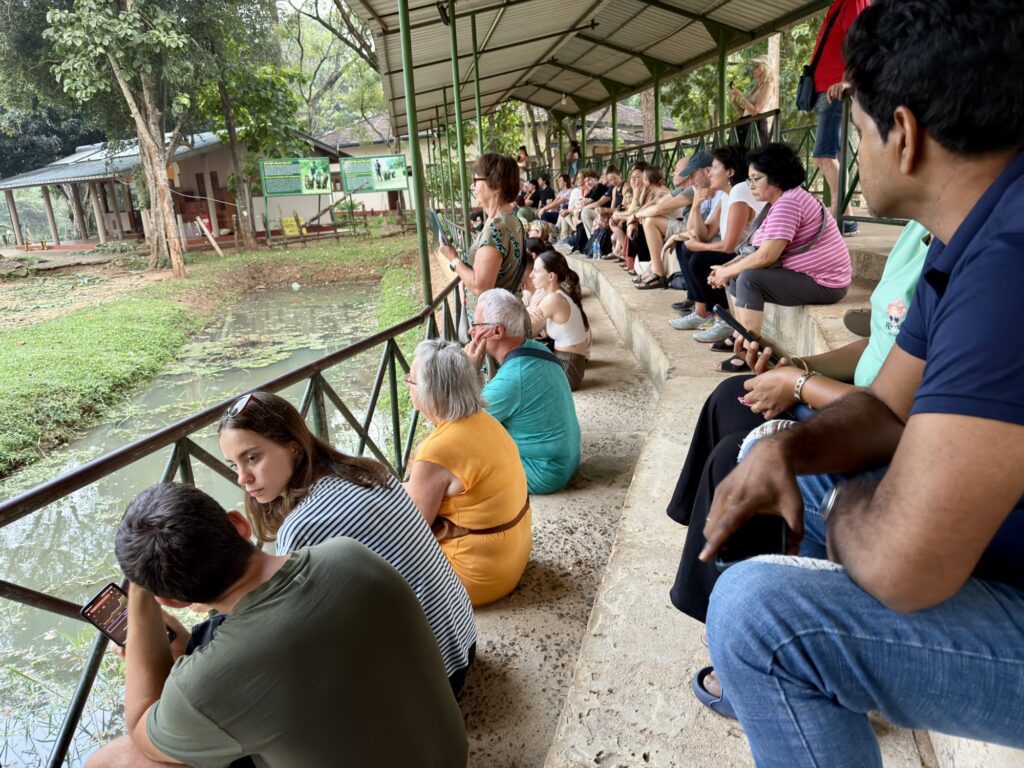
The facility was established in 1995 by the Sri Lanka Department of Wildlife Conservation with a single, clear purpose: take in orphaned elephant calves, raise them, and release them back into the wild. It operates with a strictly hands-off approach to minimize human contact, which means no riding, no touching, no posing for photos next to the animals. You watch from a viewing platform at a respectful distance. That is the deal, and it is the right one.
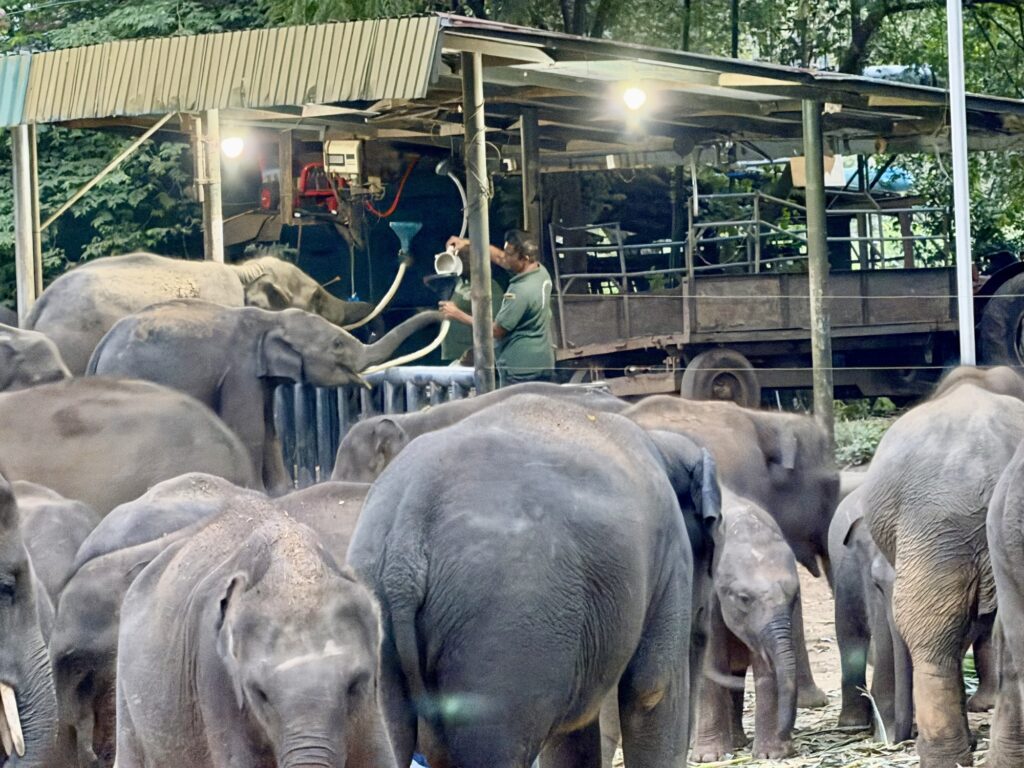
The facility typically houses 40 to 60 baby elephants at any given time. They are fed a special milk formula every three hours, following a strict routine that mimics the feeding patterns they would have in the wild. The afternoon feeding I witnessed was organized chaos: a stampede of small gray bodies converging on the handlers with a sense of urgency that left no doubt about their priorities. Several of them made multiple attempts to secure a second bottle. Optimistic, but not without charm.
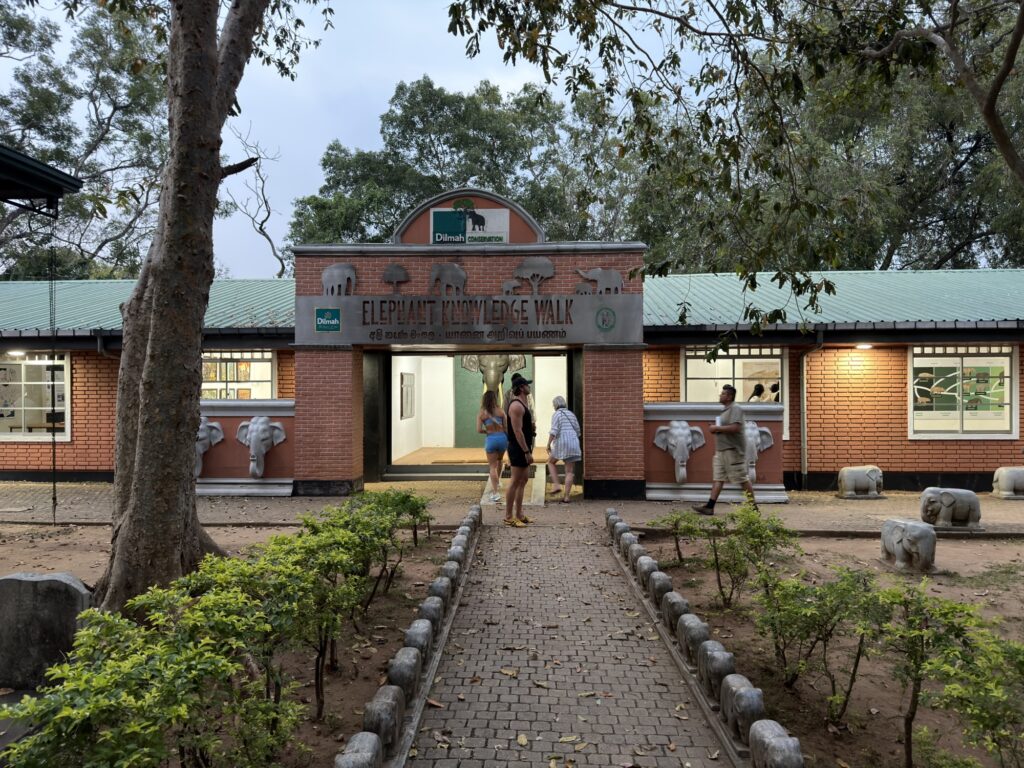
What makes the visit more than just the feeding spectacle is the museum on site. The display panels walk you through elephant evolution, subspecies, and the specific pressures facing the Sri Lankan population. A few things stopped me in my tracks.
The Sri Lankan elephant (Elephas maximus maximus) is the largest and darkest of the four Asian subspecies, and it is endemic to this island. Only 4% of the male population carries tusks, which makes the species visually quite distinct from its Indian cousin. The museum also showed the evolutionary line from the pig-sized Moeritherium of the Eocene period, 55 million years ago, through a sequence of creatures that only vaguely resemble what stands in front of you today, to the two surviving lineages: Elephas maximus in Asia and Loxodonta africana in Africa.
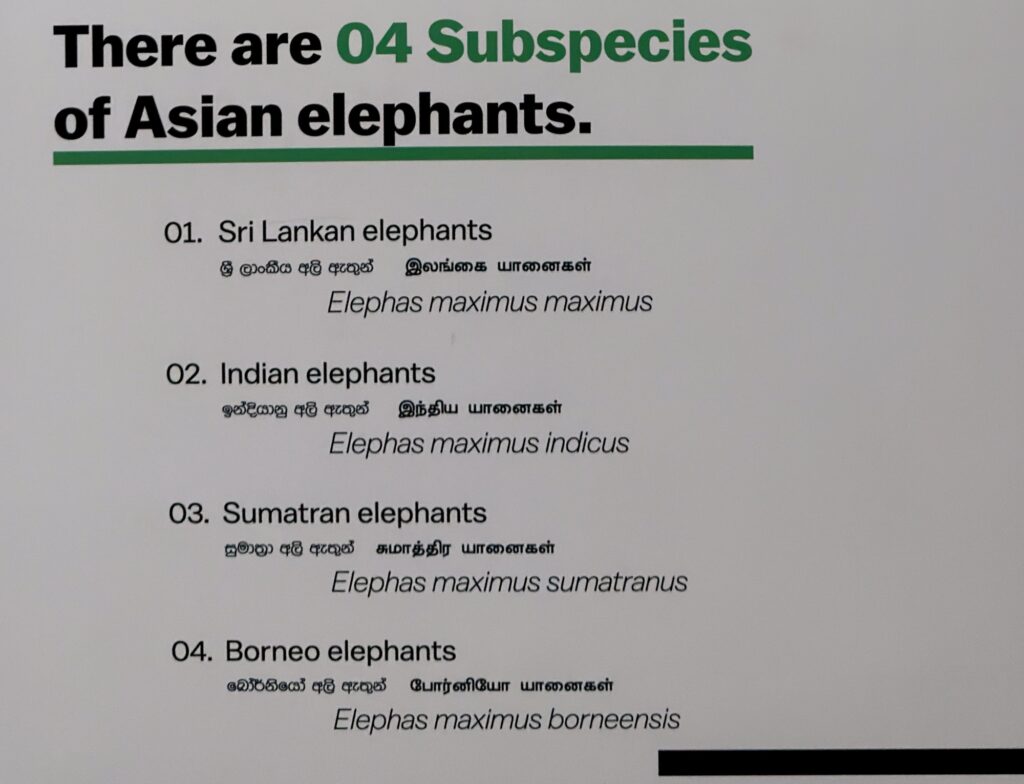
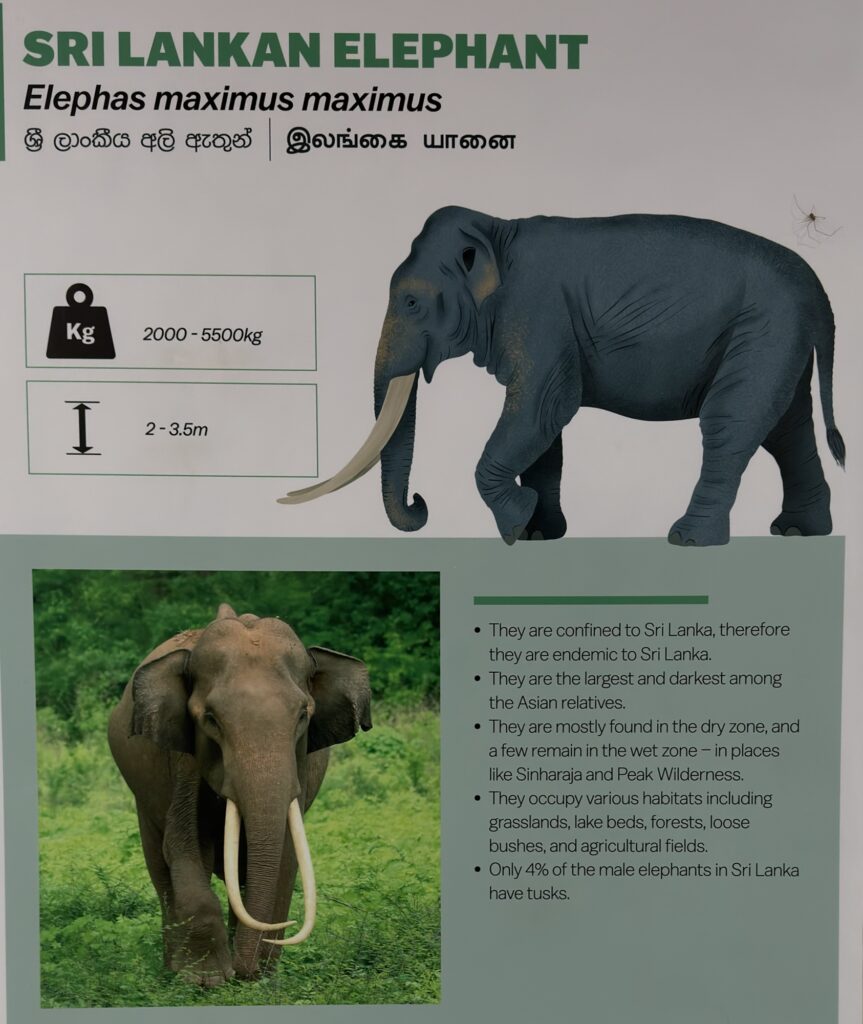
The comparison between African and Asian elephants is worth pausing on. The African elephant is larger, weighing up to 7 tonnes against the Asian’s 5.5 tonnes, with a distinctly concave back and enormous ears shaped, as the sign notes, like the African continent itself. The Asian has a convex arched back, a distinctive double-domed head, and one trunk finger rather than two. The ears are smaller, shaped like the Indian subcontinent. Small differences in silhouette, significant differences in behavior and ecology.
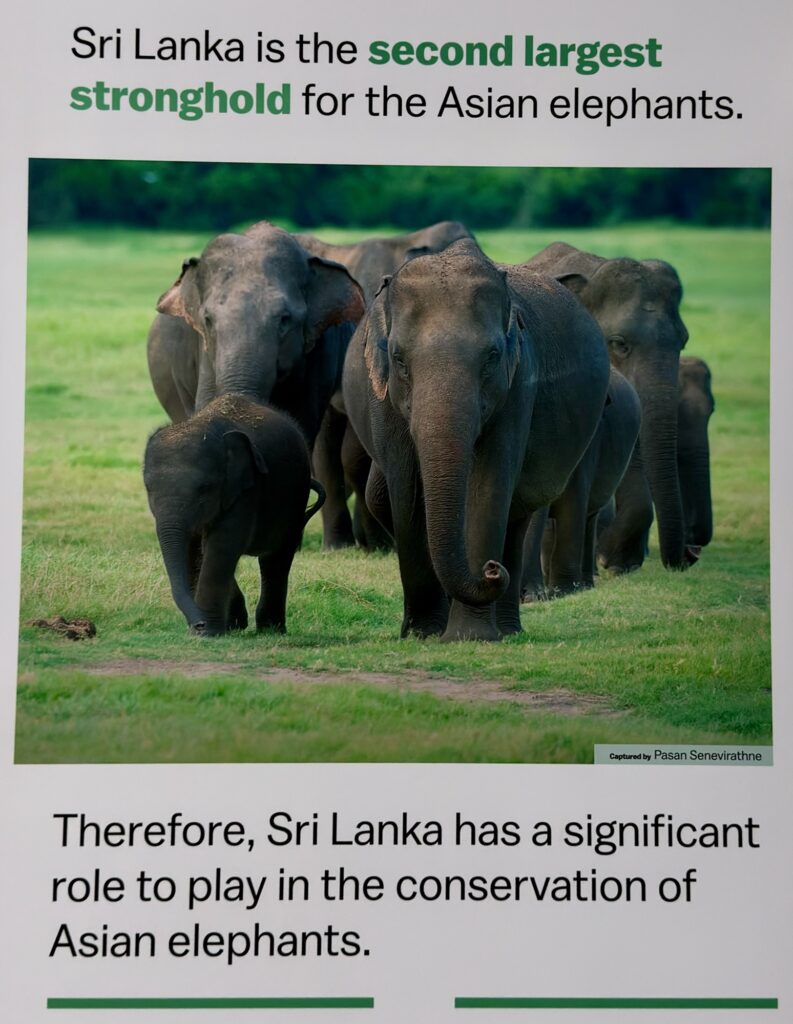
Sri Lanka, the museum points out, is the second largest stronghold for Asian elephants in the world. The Elephant Transit Home sits within Udawalawe National Park, and that proximity matters: the elephants released here join a wild population that roams across nearly half the country. The distribution map in the exhibition showed the uncomfortable reality clearly: humans and elephants now share space across 70% of elephant habitat, and the resulting conflict is a primary reason the transit home exists at all. Most of the calves here are orphaned because of exactly that friction.
Since its establishment, the ETH has successfully rehabilitated and released hundreds of elephants, making it one of the most successful rehabilitation programs in Asia. The calves typically stay until around five years old, when they are released in groups into protected areas, giving them a social unit from the start.
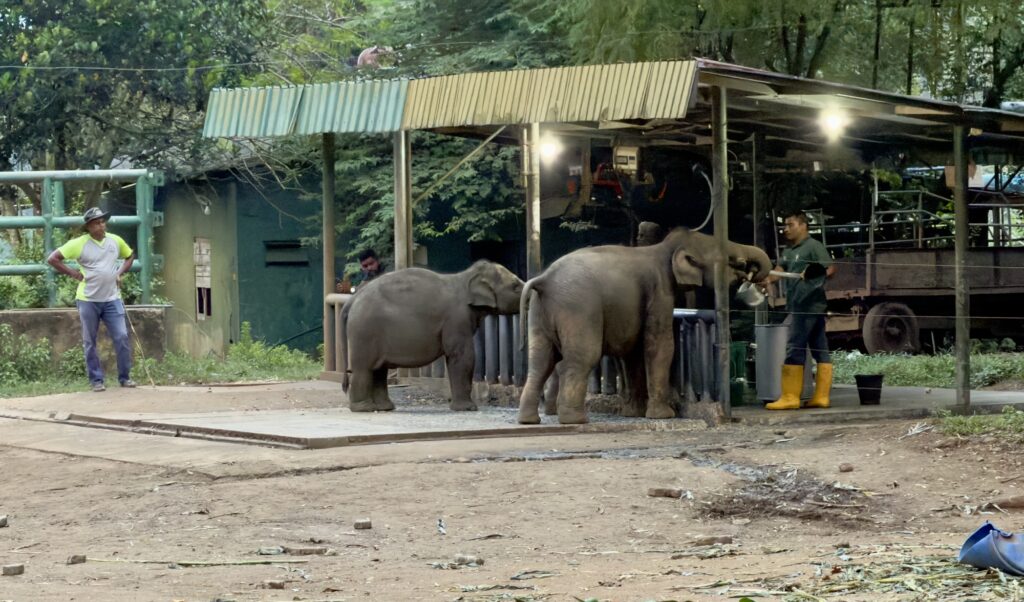
I stayed until the light faded. When the feeding was done, the calves turned and marched off happily toward their evening resting grounds, with the purposeful air of animals that know exactly where they are going. They will be gone within four or five years, back into a national park they have never seen. There are worse outcomes.
An island that is home to the second largest Asian elephant population has, it turns out, figured out what to do with the ones that fall through the cracks.
India and Sri Lanka 2026 — all posts
- Day 1 — 24 Hours to Mumbai
- Day 2 — First Morning in Mumbai
- Day 3 — Exploring Mumbai
- Dhobi Ghat: Mumbai’s Laundromat
- Day 4 — Sightseeing in Colombo: One Day is Enough
- A Short History of Ceylon
- Day 5 — Kandy: Moving into the Mountains
- Day 6 — Moving on to Ella
- Day 7 — Hike and Sunstroke
- Tea in Sri Lanka: From a Blight in 1869 to Four Million Cups a Day
- Day 8 — Nine Arches Bridge
- Day 9 — Tuktuk Tour Around Ella
- Day 10 — Time to Leave Ella
- Orphans of Udawalawe: Inside Sri Lanka’s Elephant Transit Home
- Day 11 — Safari and Galle Fort
- Day 12 — Onwards to Negombo for the last day in Sri Lanka
- Day 13 — All the problems concentrated on a single day
- Royal Enfield: Why India Rides Different
- Day 14 — The Kerala Backwaters
- Day 15 — Local bus to Munnar
- Leyland, a familiar name from the past
- Buying a beer in Kerala: Local knowledge required
- Mahindra: The Jeep That Never Left
- Discovering India Through Its Food – One Plate at a Time
- Day 16-19 — Four Relaxing Days in Munnar
- Day 20 — Travel to Kumily
- Kathakali and Kalaripayattu
- Kumily to Varkala: The Journey is the Reward