

Money in Vietnam: ATMs, millions and bargaining
/
Vietnam is cheap, but it runs on cash, and the cash comes in very large numbers. Here is how money worked for me, in my own diary words, plus what things cost.
An instant millionaire
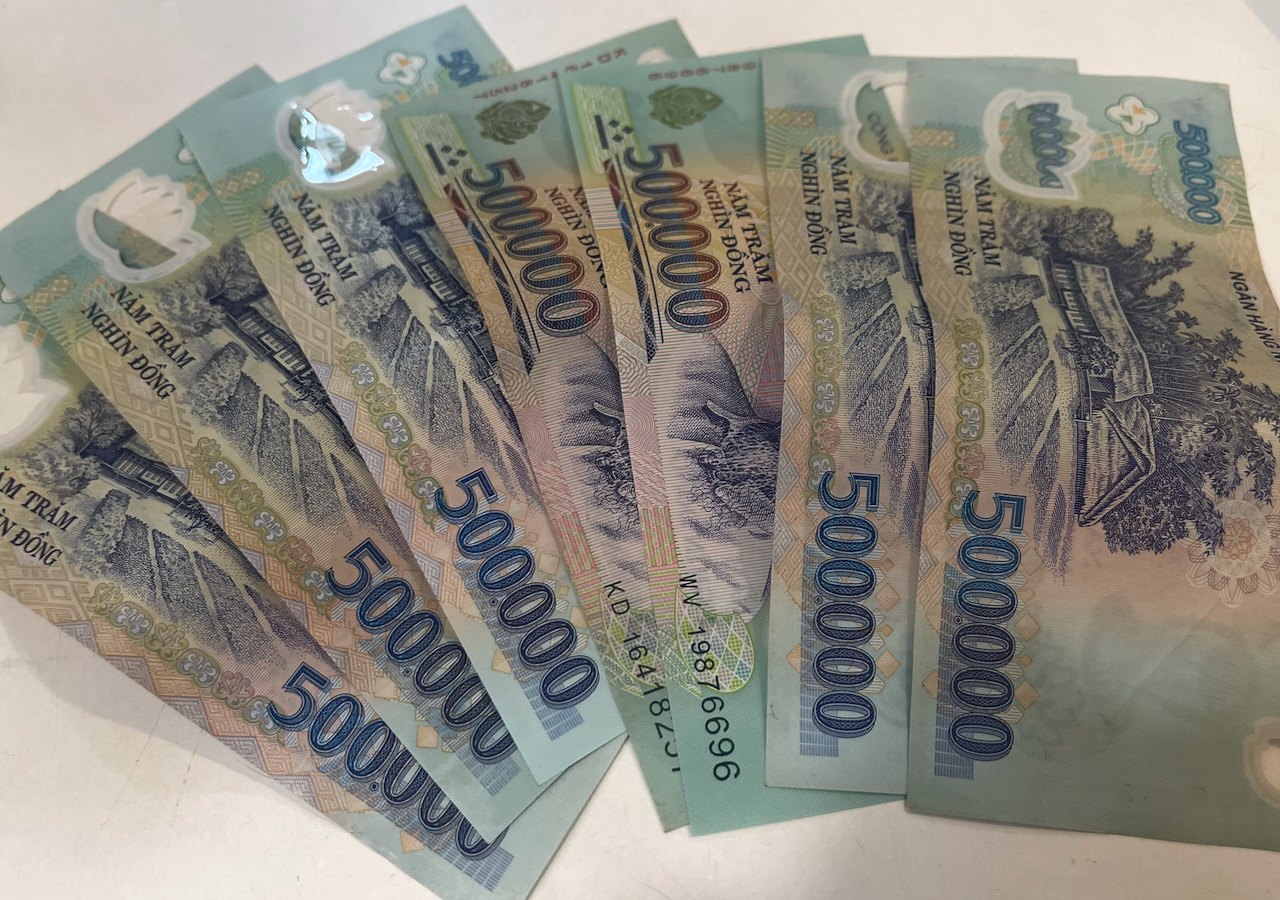
My first morning in Saigon, the first order of business was to find a TPBank ATM. The first one I got to didn’t work, but I joined a nice Indonesian guy with the same problem, and we found another TPBank down the street. I became an instant millionaire by withdrawing 5,000,000 dong, slightly less than $200.
Crisis in Da Nang
In Da Nang I had to get some cash, since the ATM in Saigon was out of cash the night before. And now I was down to about $8.
This turned out to be a problem. Firstly, both Apple Maps and Google Maps are very bad at ATMs. They show many, but none are really where they say they are. And the two apps show completely different information. Eventually I stumbled upon one ATM, but it refused all my three cards. The first card was just refused, the second said wrong PIN, and the third was refused for not having a chip. OK, find another ATM.
At the next ATM the story was similar. All three cards refused, but no complaining about the lack of a chip on the third card. But still no cash. Crisis.
My meager cash reserve was good enough for some meat and chicken skewers and a beer at the night market. In one last push for cash I headed over the bridge for some more reliable ATMs. A long walk, and the ATMs were not where the map apps claimed. I eventually stumbled upon an HSBC ATM, supposedly one of the better ones, and here one of my cards worked. Crisis averted.
More about that evening in Da Nang, marble caves and a fire-breathing dragon.
Bargaining
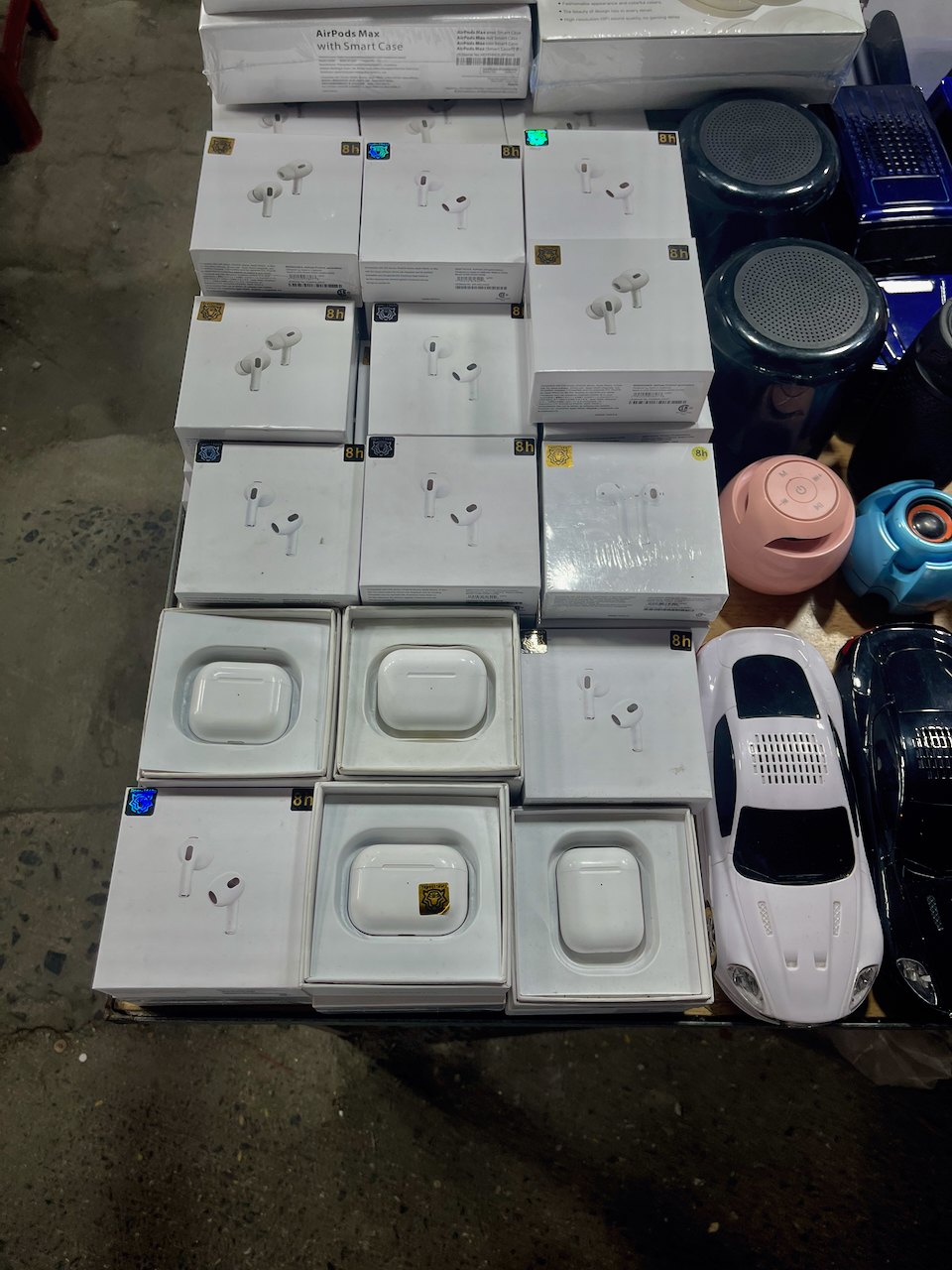
At the Son Tra night market in Da Nang I spotted some AirPods Pro for 350,000. I passed, but now I knew the price. I grabbed 250,000 in my hand and went to another stand, insisting that that was my limit. The boy had to run off to check, tried to sell me some lesser headphones, but eventually gave in and gave the Pros to me for 250,000 ($9.80) while pretending to cry. I think I found his pain point.
In Hanoi I checked a couple of shops and settled on one that had my blue North Face jacket. The price was 400,000, lower than the 500,000-670,000 I had been quoted in other stores, so I didn’t even haggle, I just bought it.
On my last evening in Saigon, as I was leaving the market, I stopped at a random shoe store that looked like it was about to close. I grabbed a pair of gray Skechers and tried them on. They fit really well, and I got the price down to 550,000 dong, and paid with a credit card.
What things cost
All prices from my diary, March 2025. One dollar was about 25,500 dong.
- Beef and noodles with fresh pineapple juice at a market food stall in Saigon: about $3.50.
- Cao lau with a beer in Hoi An: $2.20.
- Seafood and fried noodles with a beer in Hanoi: $2.80.
- Western breakfast in Hué: 100,000 dong (about $4).
- Noodles and seafood at a beach bar on Phu Quoc: 250,000 dong (about $10), a whopping price.
- Hotels: $12 in Hué, $15 in Da Nang, $35 in Hoi An.
- A Grab car to the airport in Saigon: less than $4. A car from Da Nang to Hoi An: 290,000 dong (about $11).
- A rented scooter for the day: just under $5 in Ninh Binh, 150,000 dong (about $6) on Phu Quoc.
- Tickets: the Imperial City in Hué 200,000 dong (about $8), the boat at Trang An 250,000 (about $10), Fansipan 1,000,000 (about $39).
On Phu Quoc, my 3 breakfasts, 3 beers and the motorbike rental came to 505,000 dong ($20). What a deal.

Money in Vietnam, the practical stuff
- Which ATMs? — Bank ATMs, ideally inside or next to a branch. TPBank and BIDV let you take out up to 5,000,000 dong at a time; many others stop at 3,000,000. Expect a fee of 20,000-60,000 dong per withdrawal.
- What if your card is refused? — Try another bank. Bring at least two cards from different banks, with a chip and a PIN, and tell your bank you are traveling.
- Do the map apps find ATMs? — Not reliably. Many ATMs shown on the maps were not there. Ask your hotel where the nearest working one is.
- Cash or card? — Cash in markets, street food and small restaurants. Cards work in hotels, bigger shops and with Grab. Keep some cash in reserve, in case the ATMs fail.
- How do you bargain? — Find out the price at one stall, then go to another with the money in your hand. Be friendly and ready to walk away. In shops with fixed prices, compare a few before you buy.
- How to book — Rides you can pay by card in the app: Grab. Hotels you can prepay: Booking.com. Tours and tickets you can prepay: Klook.
Vietnam 2025 — all posts
- 1 — Beijing, a day between flights
- 2 — Saigon, an instant millionaire
- 3 — Cu Chi, “Not our problem, not our fault”
- 4 — The Mekong Delta, on a bike made for someone smaller
- 5 — Da Nang, marble caves and a fire-breathing dragon
- 6 — Da Nang, a rest day and AirPods for $9.80
- 7 — Hoi An, lanterns from a front-row table
- 8 — Hué, the train along the coast and the Imperial City in the rain
- 9 — Hanoi, the train street and a jacket for 400,000 dong
- 10 — Ninh Binh, back on a scooter
- 11 — Ha Long Bay, was it worth it?
- 12 — Sapa, Fansipan and two days on foot
- 13 — Phu Quoc, an island by scooter
- 14 — Money in Vietnam: ATMs, millions and bargaining
- 15 — Getting around Vietnam by app
- 16 — The North Face economy
- 17 — Saigon to Sapa in three and a half weeks: the route, and what I would change