Three hours through the mountains from Xi'an, an afternoon in a restored Manchu garrison, and a 07:30 slot at the panda base that did nothing whatsoever to beat the crowds.
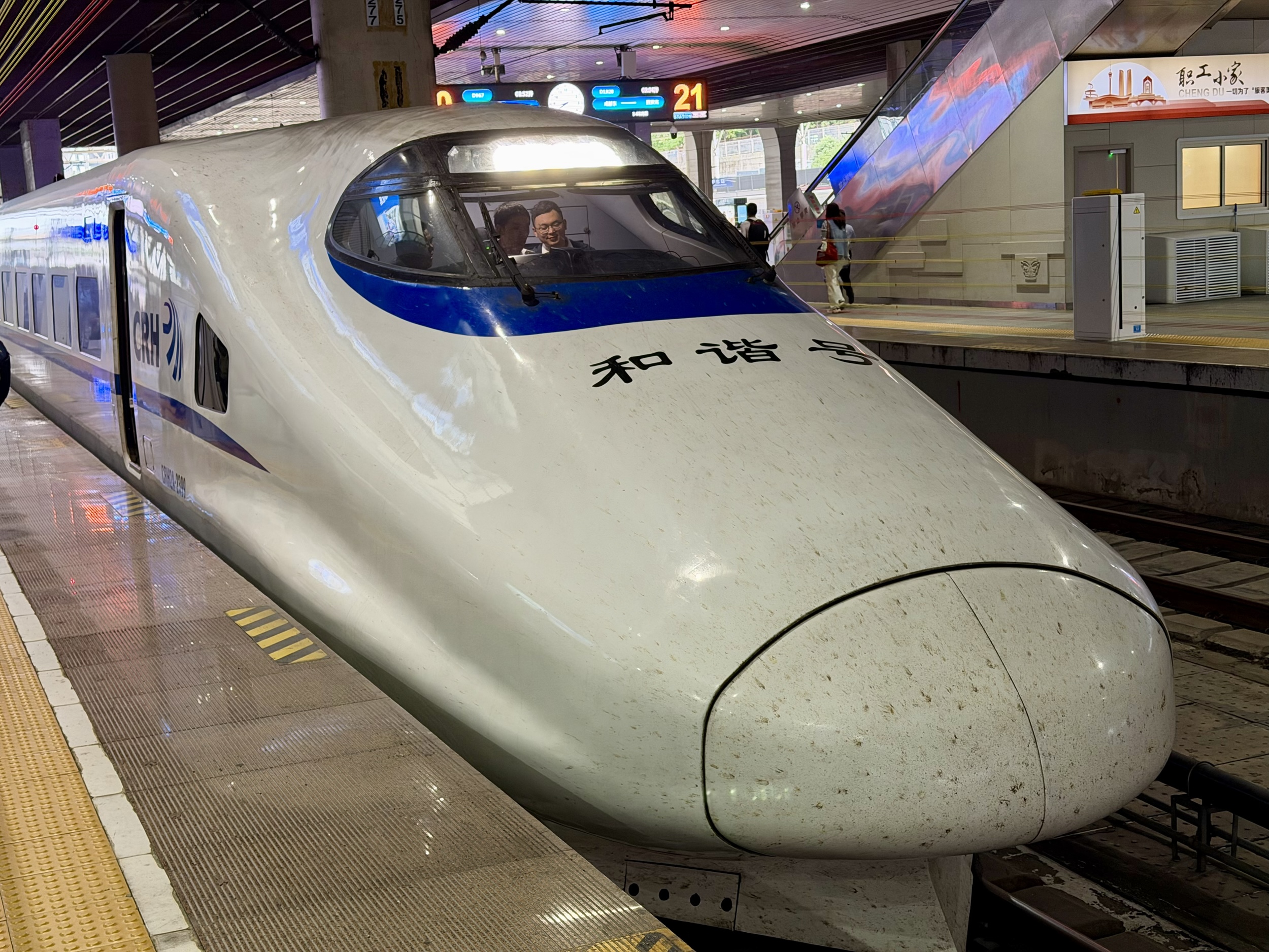
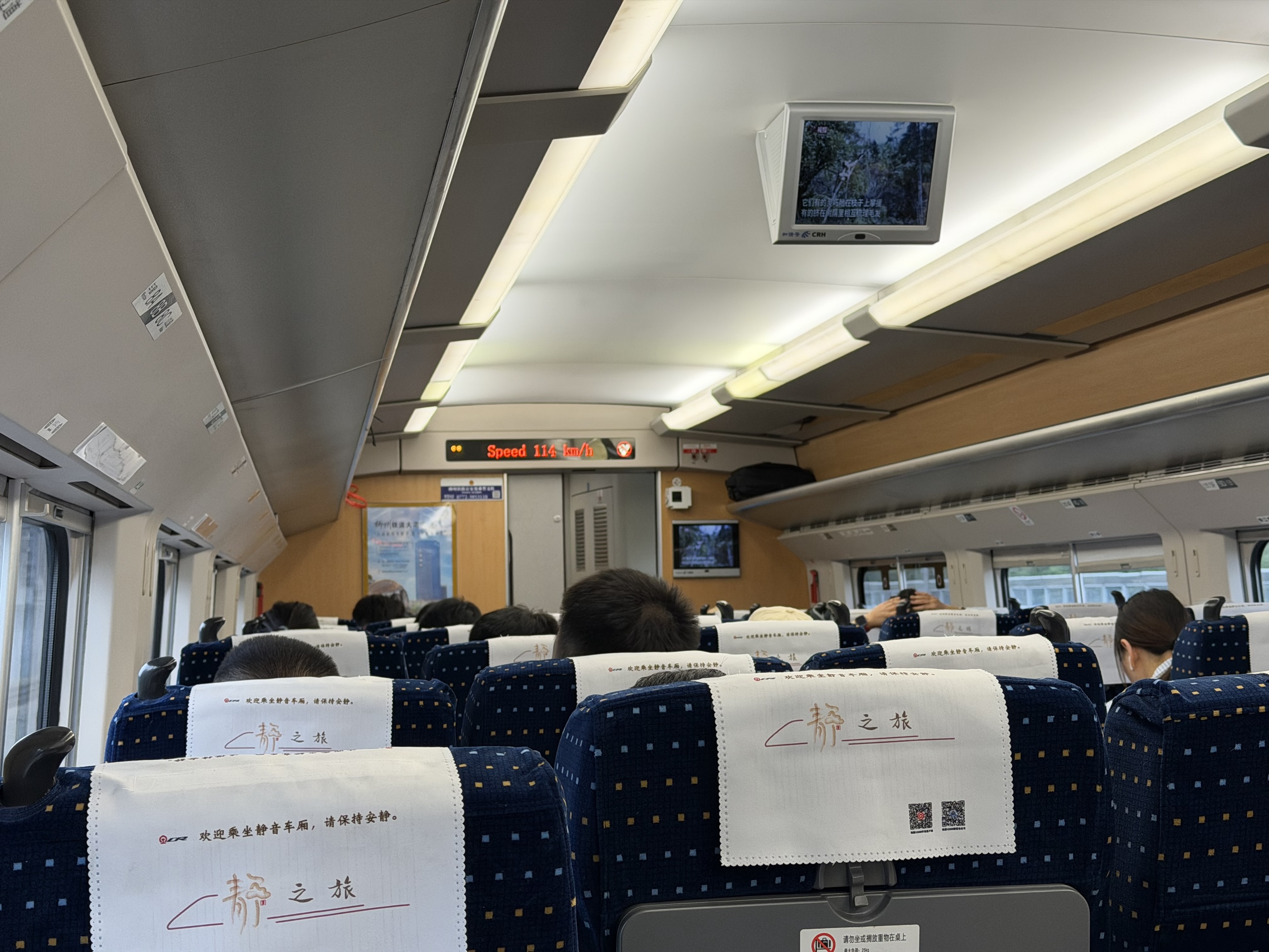
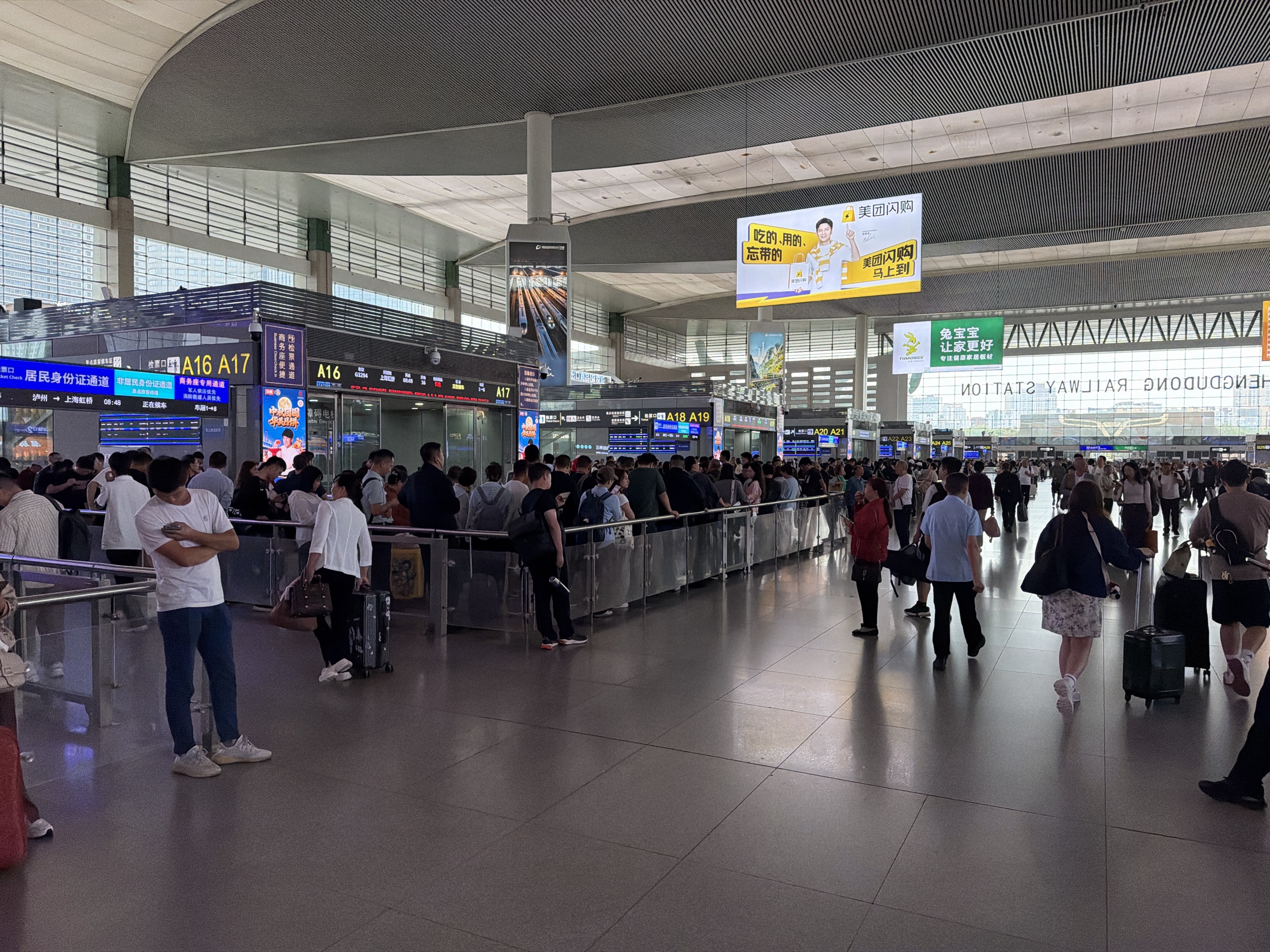
I took the high speed train through the mountains from Xi’an to Chengdu. And I mean “through the mountains” literally, it felt like at least half the ride was through mountain tunnels at a respectable 250 km/h. The train made only one stop on the 600 km, 3hr 20min journey. The Chinese high speed trains are the way to go, smooth and comfortable, assigned seating, food service every 15 minutes or so, and constant cleaning crews keeping everything polished.
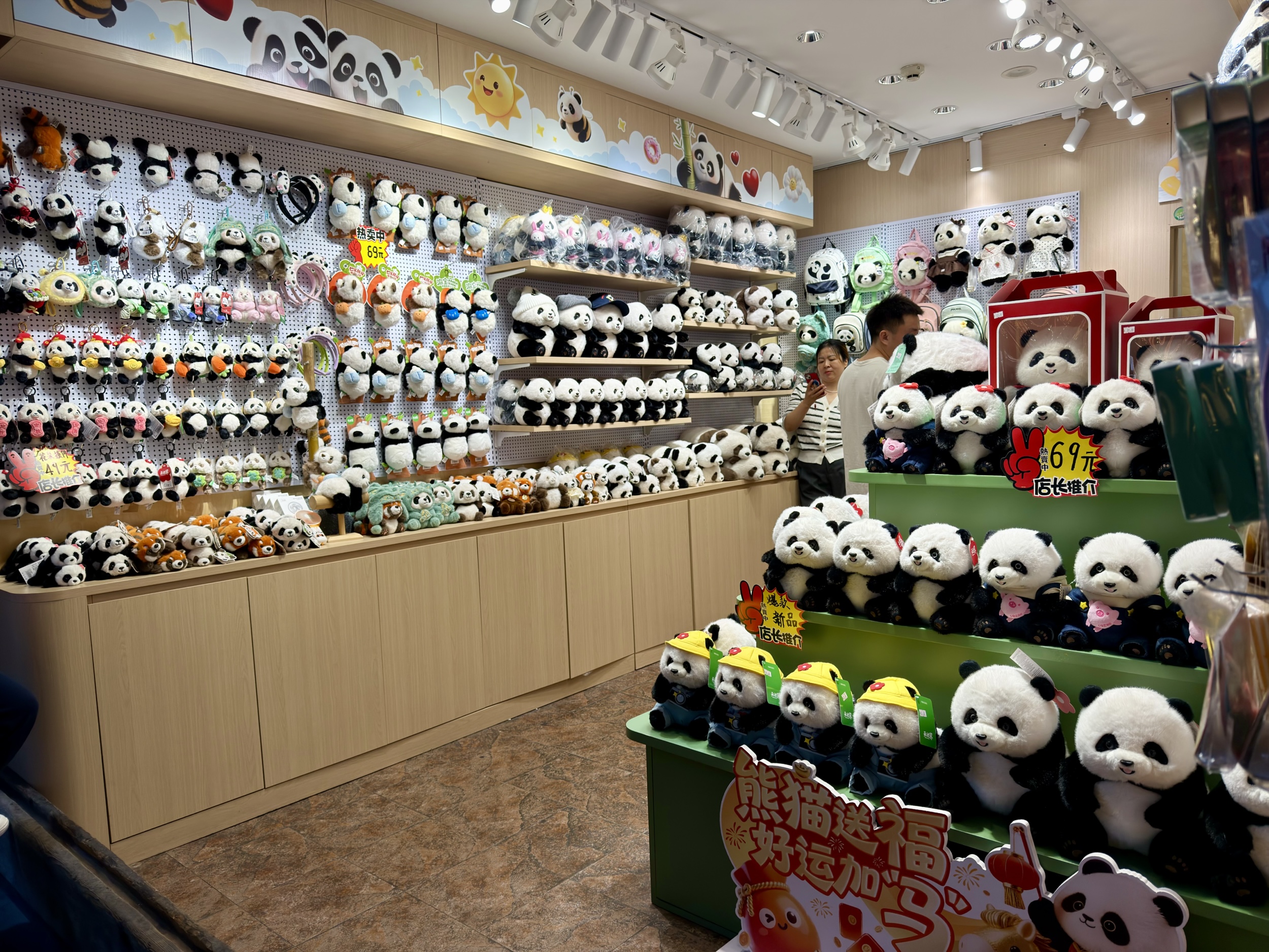
Once you arrive in Chengdu it is immediately obvious what this city is all about: Pandas everywhere, stuffed pandas, panda dolls, panda coffee cups, panda ice cream, you name it. And I had come for the pandas, too. But first some exploring in the city center.
Kuanzhai Alley
I took the subway a few stops to reach Kuanzhai Alley, three small alleyways that have transformed into an arts and culture center, and spent the afternoon. Lots of art, but also lots of souvenir junk. Worth it if you have a few hours to spend, and also a good place to eat.
Three alleys and a Manchu garrison
Wide Alley, Narrow Alley and Well Alley are what is left of a garrison town.
Read more
In 1718 the Kangxi emperor stationed Manchu bannermen and their families in Chengdu and built them a walled town of their own in the west of the city, Shaocheng, the Little City. It had more than thirty lanes, and the Han population of Chengdu was not allowed inside them.
The Qing fell in 1911, the walls came down, and the Little City became simply part of Chengdu. Most of the lanes went the way of most lanes. Three of them survived, were restored over about five years, and reopened in 2008 as what you walk through now: courtyard houses behind wooden gates, carved stone, tiled roofs, which is northern architecture sitting a very long way south of where it belongs.
Whether that counts as preservation or as a shopping street with unusually good bones is a question you can settle over the tea.
The big Panda day
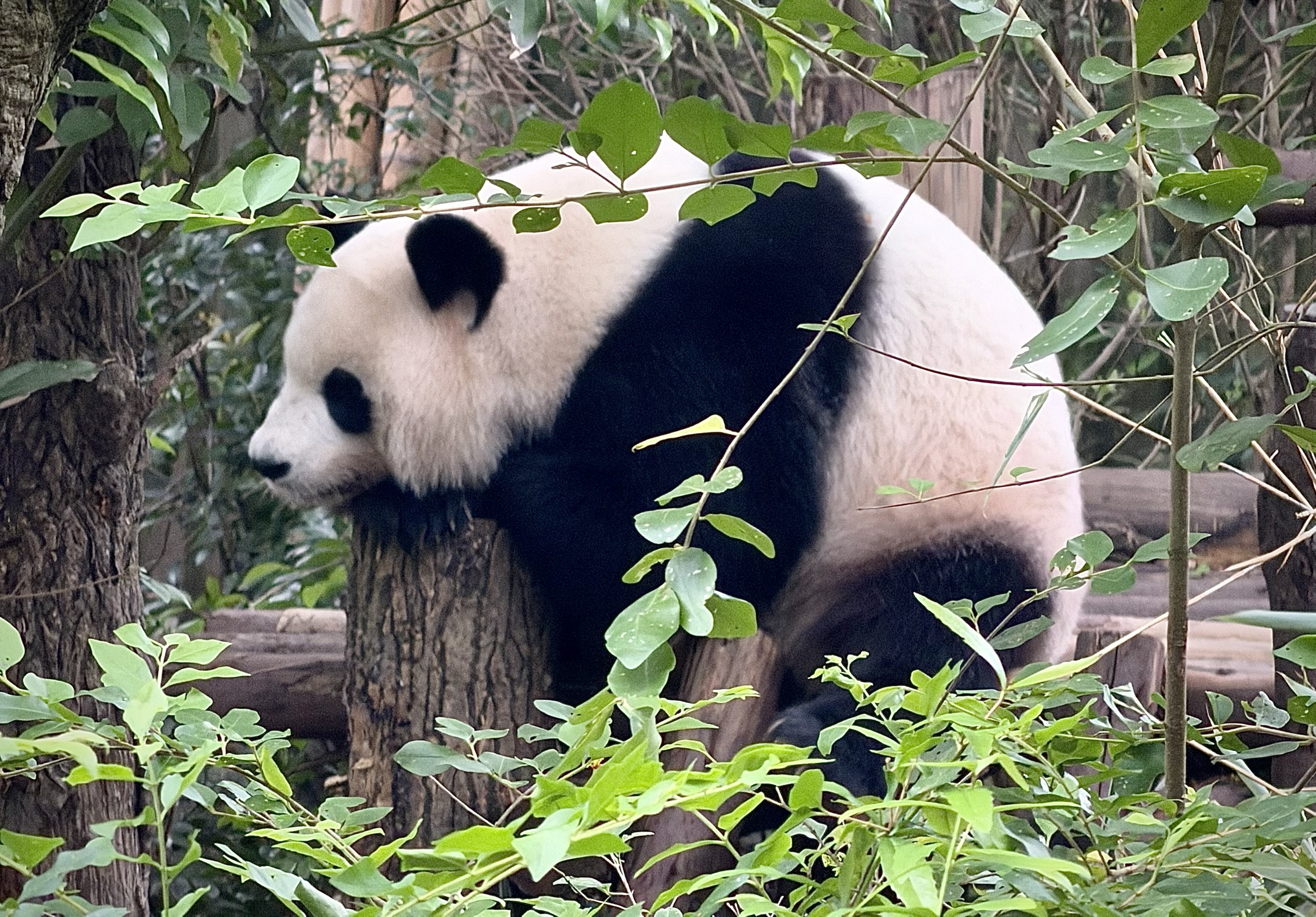
I was told to be at the gate of the Chengdu Panda Breeding Center when they open at 7.30 AM to beat the crowds. I was, but did I beat the crowds? No chance, packed with chinese tourists already, even though it was just a regular non-holiday weekday. Luckily the park is very big, so once you are in you can find a quiet corner with only a few hundred people.
Here I once again took advantage of the free entry for seniors. You just show your passport and you get in for free if you are over 65.
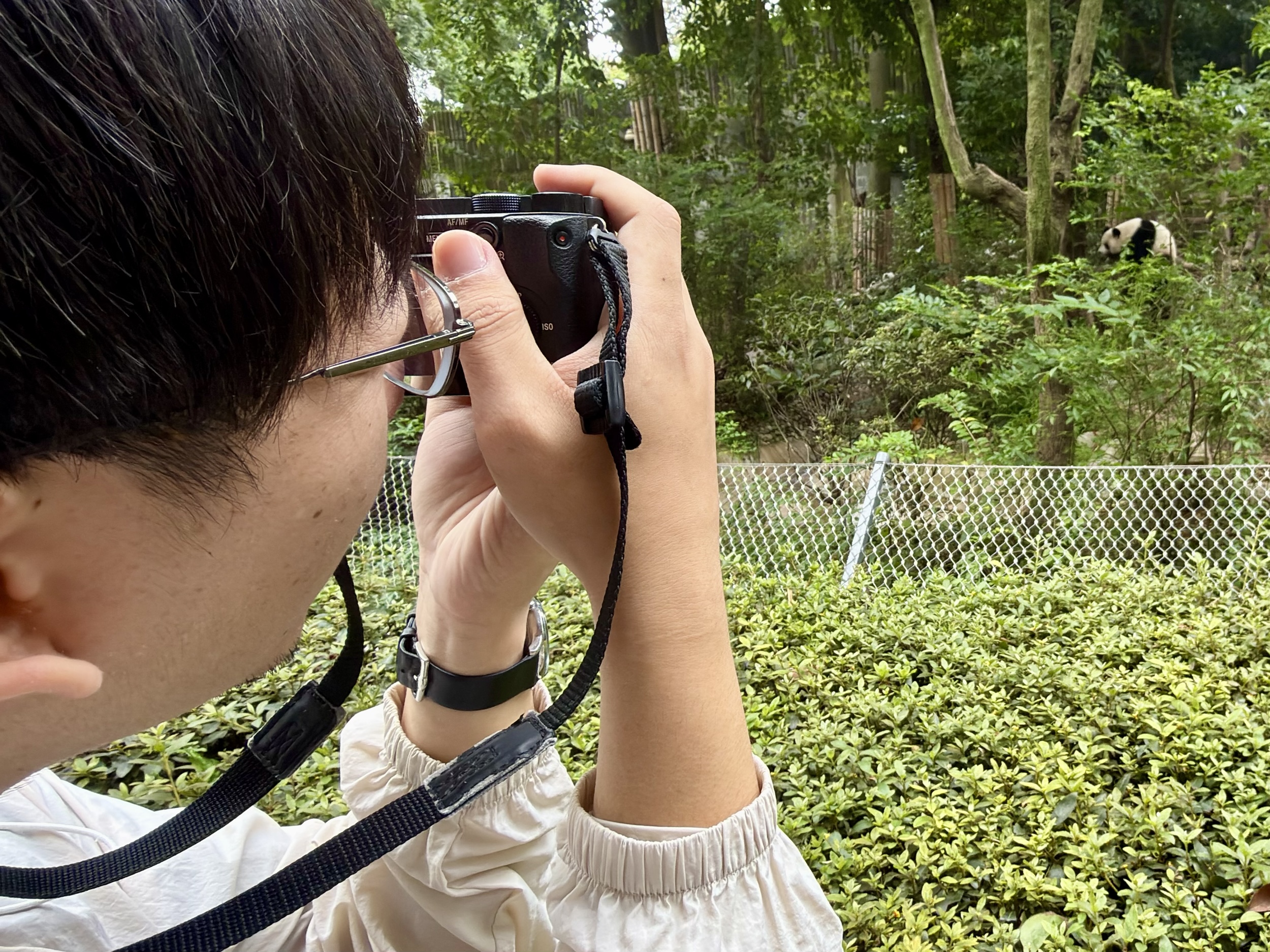
Once in it is like walking around in a zoo, but only with pandas. Most enclosures are outdoors and fairly large, and the pandas can sometimes be hard to spot. But fear not, just go where the iPhones point, and you will see one or two. There are also several indoor facilities, mostly with younger pandas in larger groups. Here you can sit down and just watch them.
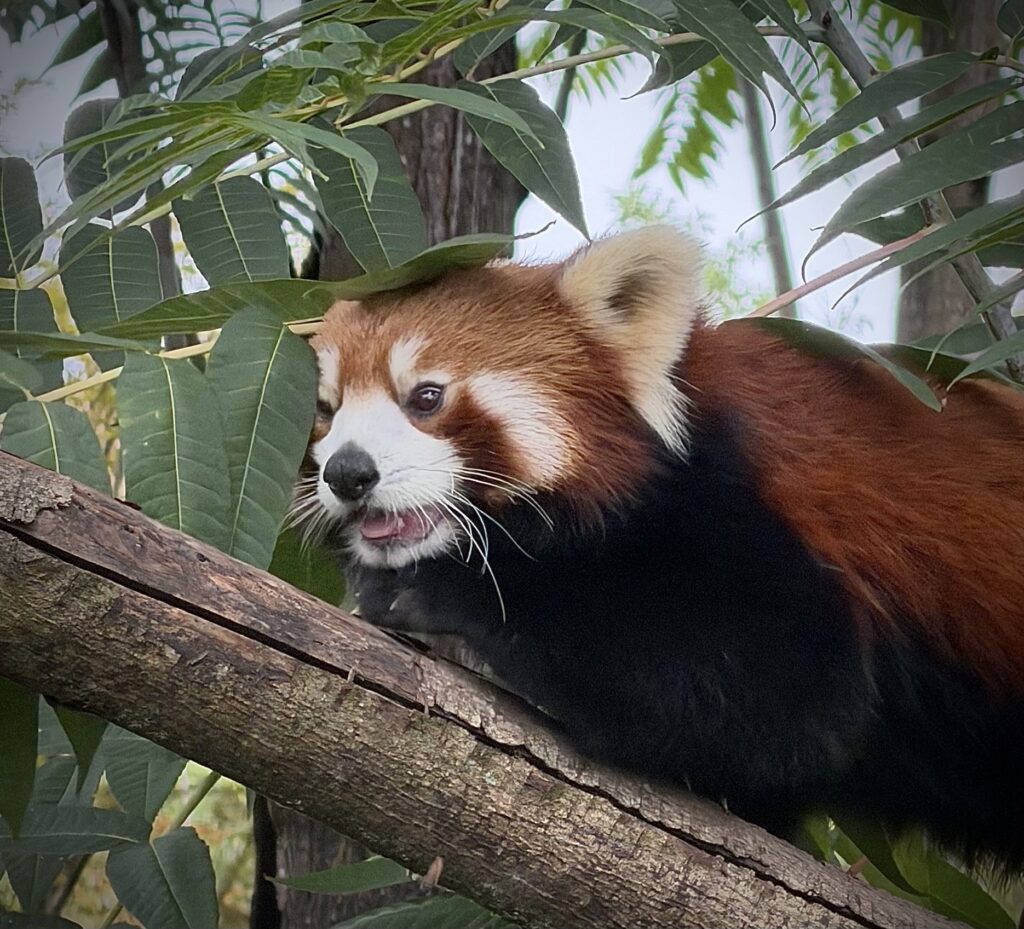
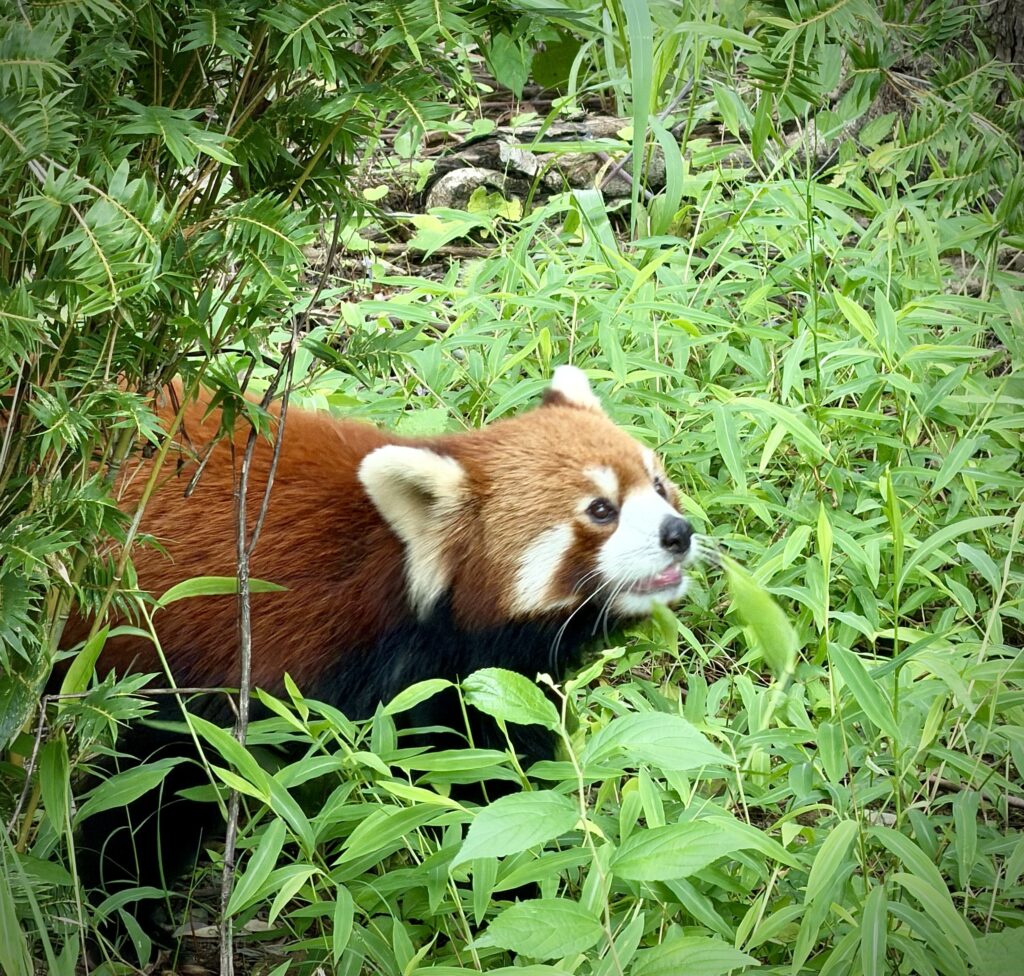
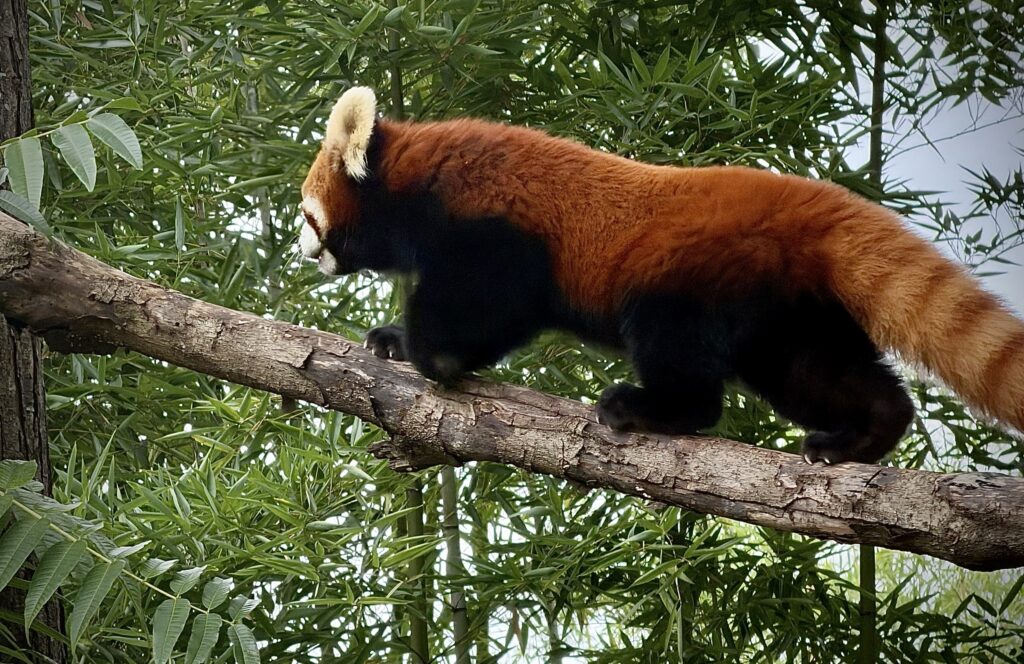
There are several varieties of pandas apart from the giant panda. I enjoyed watching the red pandas, where you could get very close and they were not fenced in. The red pandas are distant relatives of racoons, and were actually the first pandas to be discovered, before the giant pandas.
Which animals are pandas
The red panda had the name first, by forty four years, and then lost it to a bear.
Read more
Frederic Cuvier described the red panda in 1825 and called it Ailurus fulgens, the shining cat. Thomas Hardwicke had got there in 1821 but did not publish until 1827, which in taxonomy counts as not getting there at all. The word panda itself is probably Nepali, from a term for the ball of the foot, or for bamboo eater, depending on which etymologist you ask.
Then in 1869 Armand David, a French missionary working in the mountains west of Chengdu, was shown a black and white skin at a farmhouse. The giant panda entered the European record, took the name, and eventually took the word.
They are not close relatives. The giant panda is a bear. The red panda is the last surviving member of its own family, the Ailuridae, with raccoons, weasels and skunks as its nearest living cousins. What they share is a mountain range, a diet of bamboo that neither animal is properly built to digest, and a wrist bone enlarged into something that works as a thumb, which the two of them evolved separately. The red pandas here are the Chinese kind, which a 2020 genetic study argued is a species of its own rather than a subspecies of the Himalayan one.
Numbers, roughly. Giant pandas: just under two thousand in the wild at the last national survey, and somewhere around seven hundred and fifty in captivity worldwide. Red pandas: perhaps ten thousand left in the wild, and falling. Which makes the one you can walk right up to here the rarer of the two.
The Chengdu Research Base of Giant Panda Breeding
The base is not a wilderness experience and does not pretend to be one. It is a breeding and research facility with a viewing path laid through it, ten kilometres north of the centre, and the gates opening at 07:30 is the whole of the advice anybody needs to give you.
Read more
It opened in 1987 with six giant pandas rescued from the wild. That was the decade the arrow bamboo flowered and died back across the mountains west of Chengdu, which it does every few decades, and an animal that eats almost nothing else was left with almost nothing to eat. The six were what came down out of the hills.
Breeding pandas in captivity was, at that point, something nobody was much good at. A female is receptive for two or three days a year. A cub is born at around a nine hundredth of its mother’s weight, blind and pink and the size of a stick of butter. Twins are common, and a mother in the wild will usually raise only one of them. A good deal of the work here went into that second problem, the incubator and the rotation that keeps both cubs alive, and it is the reason the numbers moved at all.
By 2008 there had been 124 births at the base and 83 pandas living in it. Nothing has been taken from the wild since the founding six.
Which is worth holding on to while you are standing at the fence with four hundred other people. Every animal in front of you was born in a place like this one, and most of them will never see a mountain.
Jinli in the evening
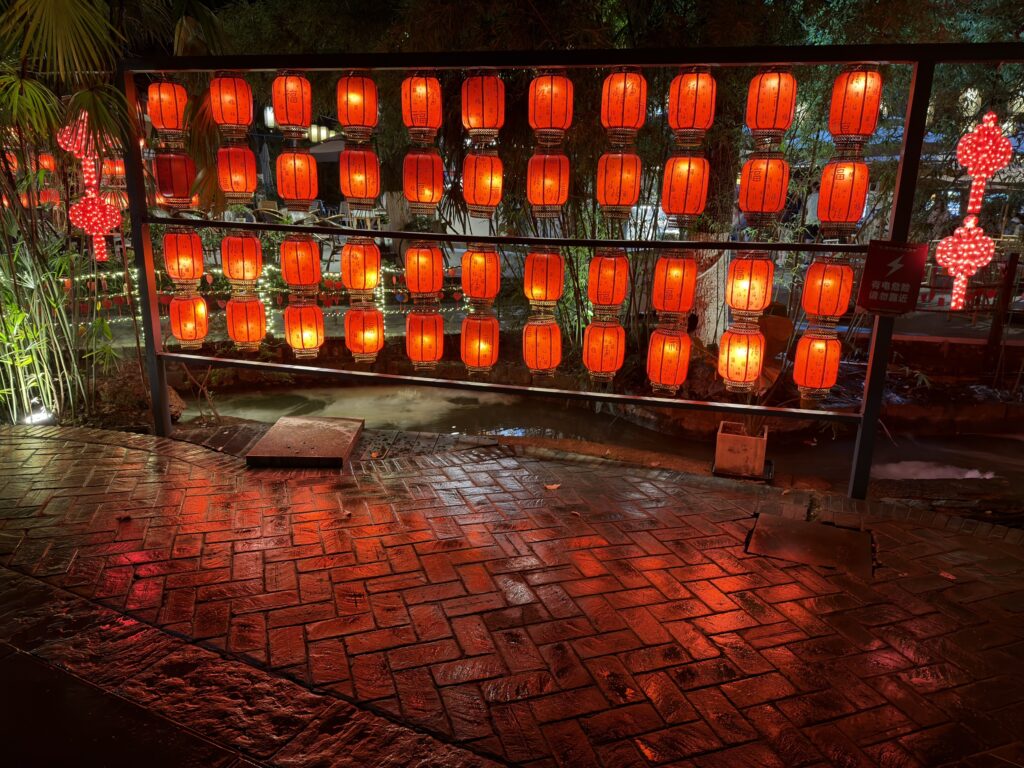
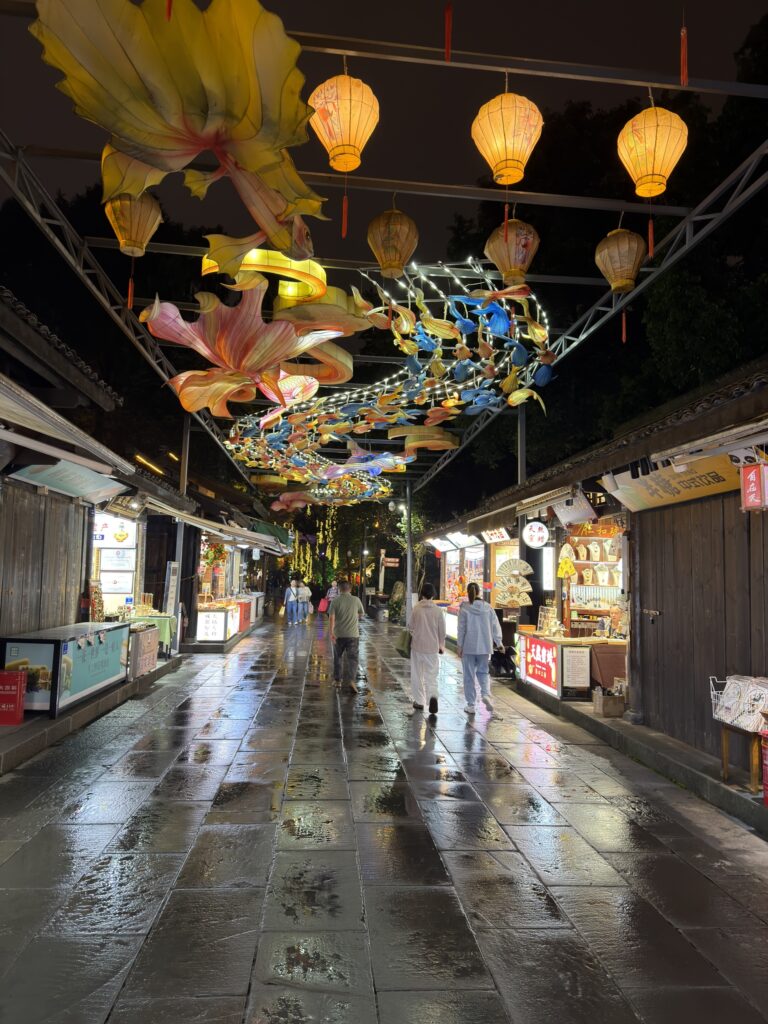
My hotel was a few minutes from Jinli, so I walked over in the evening, after the pandas. The lane is dark wood and grey brick under rows of red lanterns, and once they came on it filled up until walking turned into shuffling. Nobody seemed to mind. The crowd moved at the speed of the slowest person in it, which at my age is a policy I can support.
Dinner was the row of stalls: skewers, dumplings, things fried and things sweet, handed over on a stick and eaten while moving. That is what the street is for. There are proper restaurants behind the stalls, and they are fine, and they are beside the point.
Jinli, and what it is a copy of
The street is twenty years old. The name is two thousand.
Read more
Chengdu made brocade. Under the Han the trade was important enough to have its own official, the brocade officer, and the city took a nickname from him, Jinguan Cheng, the Brocade Officer City. The river the cloth was washed in is still called the Jin, the Brocade River. Jinli means roughly the brocade quarter, and by the time of the Shu Han kingdom in the third century a street of that name was the busiest commercial street in the state.
Not this one. The lane you walk down now was built next to the Wuhou Shrine and opened in October 2004: 350 metres of Qing style western Sichuan architecture, put up on purpose, with the Three Kingdoms theme borrowed from the shrine next door. The shrine is the real thing, a temple to Zhuge Liang, chancellor of Shu, on a site associated with him since around the sixth century.
So Jinli is a new street using an old name for a decent reason. The original was somewhere near here, doing more or less exactly this. Being sold something is not the same as being lied to.
I came for the pandas, the same as everybody else in the queue, and I got what everybody else gets: an early alarm, a crowd, and a fence.
It was still worth the start. Chengdu sells the panda harder than most cities sell anything. Then you get in front of one, and the selling stops.
Chengdu, the practical stuff
Getting there from Xi’an — high speed train, about 600 km in 3 hours 20 minutes, one stop on the way. Book through 12306 or Trip.com, the passport is the ticket.
Panda base tickets — CNY 55, and free if you are over 65: show your passport at the gate. Book ahead, the on-site options are limited.
Be there at 07:30 — the gates open then, the pandas feed in the morning and sleep later, and no, it will not get you ahead of the crowds. It will get you ahead of the heat.
Getting to the base — Metro Line 3 to Panda Avenue and the shuttle from there, or a Didi, which is the sane choice before 07:30.
The park is big — walk past the first enclosure everyone stops at. The side paths and the red panda runs are where the calm is.
Camera — the long end of a travel zoom is enough for environmental shots. Anything longer helps, but not enough to justify carrying it across China.
Kuanzhai Alley — free to walk, best in the late afternoon into the evening. Good food, and a lot of souvenir junk.
Jinli — free, next to the Wuhou Shrine, and best after dark when the lanterns are on. Eat at the stalls, not in the restaurants. The shrine itself is about CNY 50 and worth an hour in daylight.