

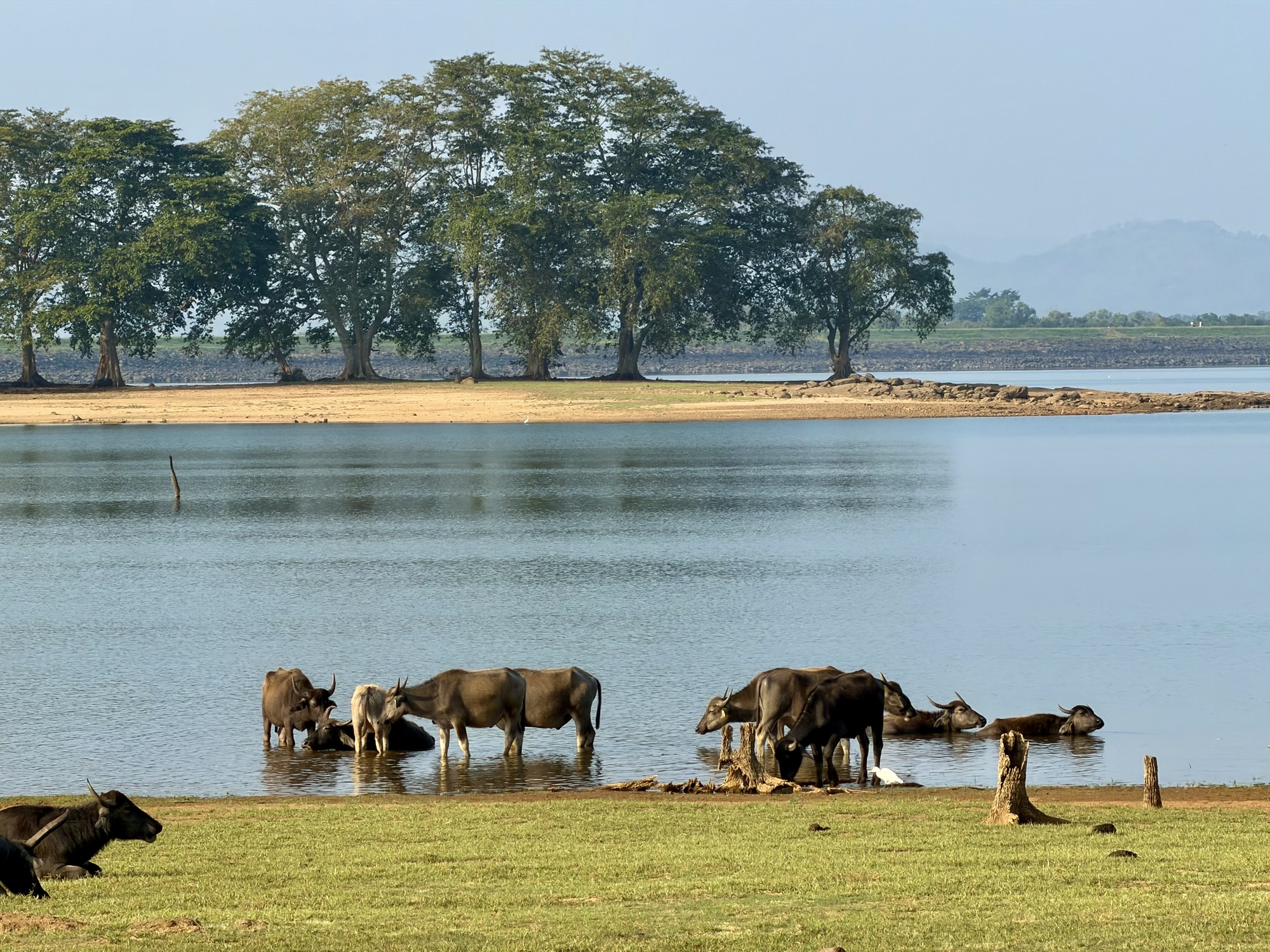

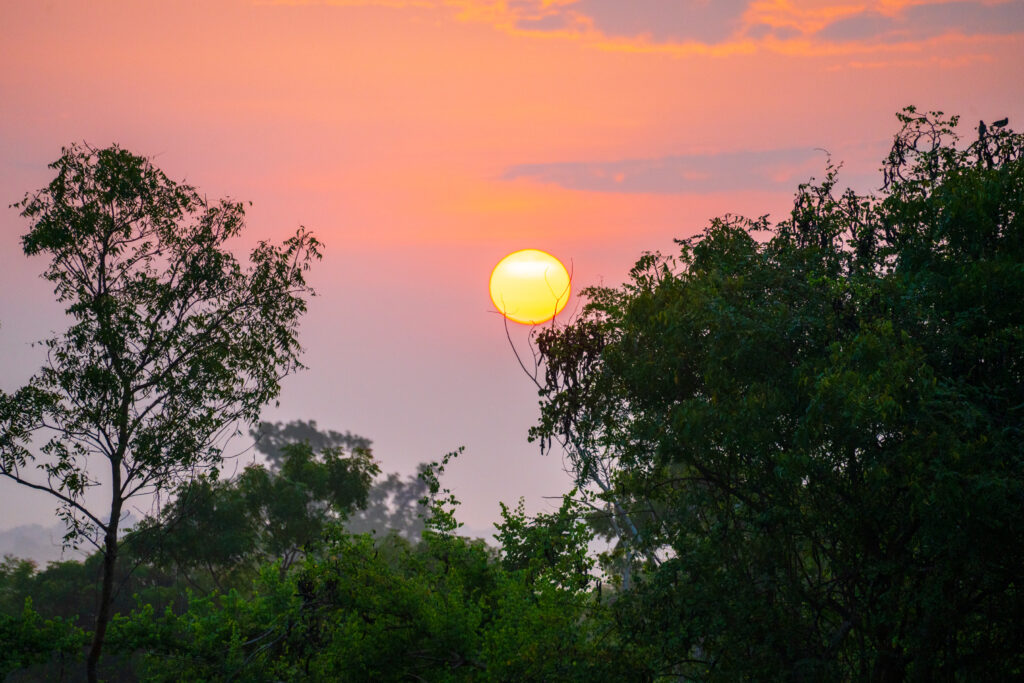
The hostess at Teshi Safari Villa had been up before me. At 5:15 AM she came over with a breakfast box, packed and ready: wraps with coconut filling, bananas, bread, and a muffin. The breakfast was included in the $15 room rate, which remains one of the better deals of the trip. The jeep arrived on time at 5:30 with Lara and Santi already inside, and we picked up Lulu a little further down the road. By 6 AM, just as the light was beginning to come up, we were through the gates of Udawalawe National Park.
Udawalawe National Park
Udawalawe exists because of a dam. In 1963 the government completed the Udawalawe Reservoir on the Walawe River, a large earthen embankment 40 meters high and 4.5 kilometers long, built to supply irrigation water and hydroelectric power to the surrounding districts. The flooding of the valley displaced both people and animals. Nine years later, in 1972, the government established the national park on 30,821 hectares surrounding the reservoir, with the primary purpose of providing a refuge for the wildlife that had been pushed out, particularly the elephants.
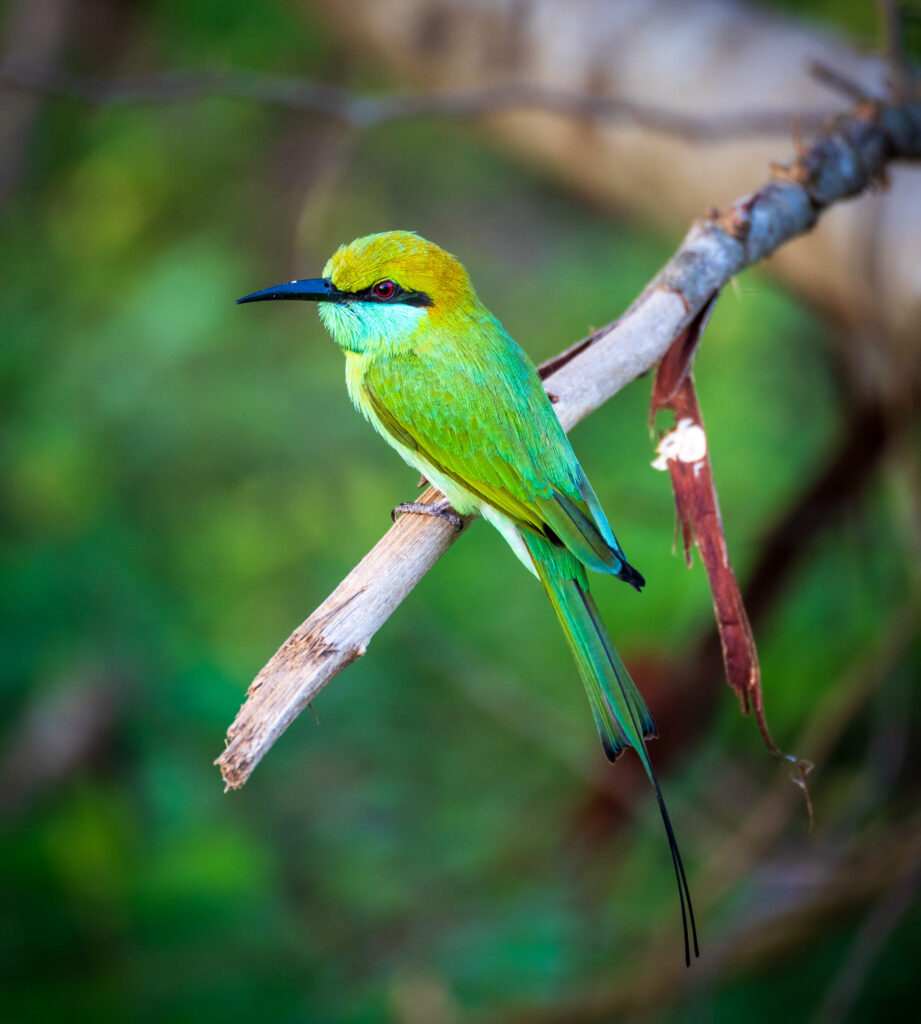
The area had previously been used for shifting cultivation, a traditional practice known as chena farming. The farmers were relocated as the park was declared, and the open grasslands they left behind turned out to be exactly what the elephants needed. The park sits on the boundary between Sri Lanka’s wet and dry zones, which means the vegetation is a mix of grassland, scrub forest, and marshland around the reservoir edges. It is one of the easier parks in which to see animals: the open terrain means you can spot things at a distance, and you are not staring into dense jungle hoping for movement. About 250 elephants are believed to be permanently resident. We also saw jackals, crocodile, mongoose, water buffalo, monitor lizards, and enough bird species to keep a serious birder occupied for several trips. The dead trees still standing in the reservoir are a visible reminder of the forest that was flooded when the dam was built. Sixty years on, they are still there.
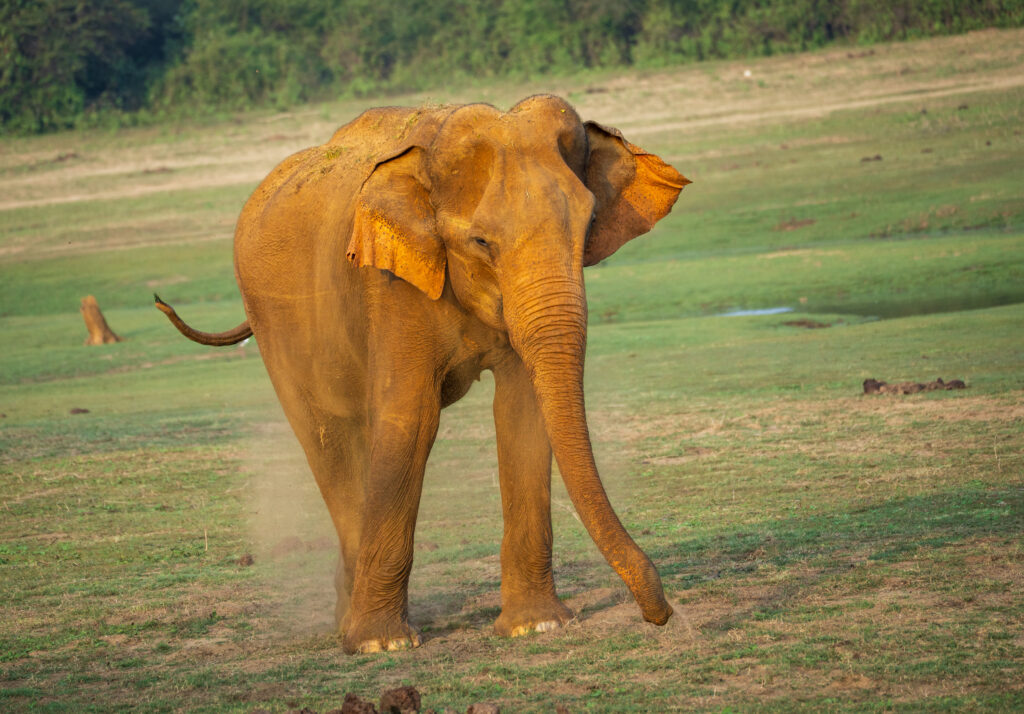
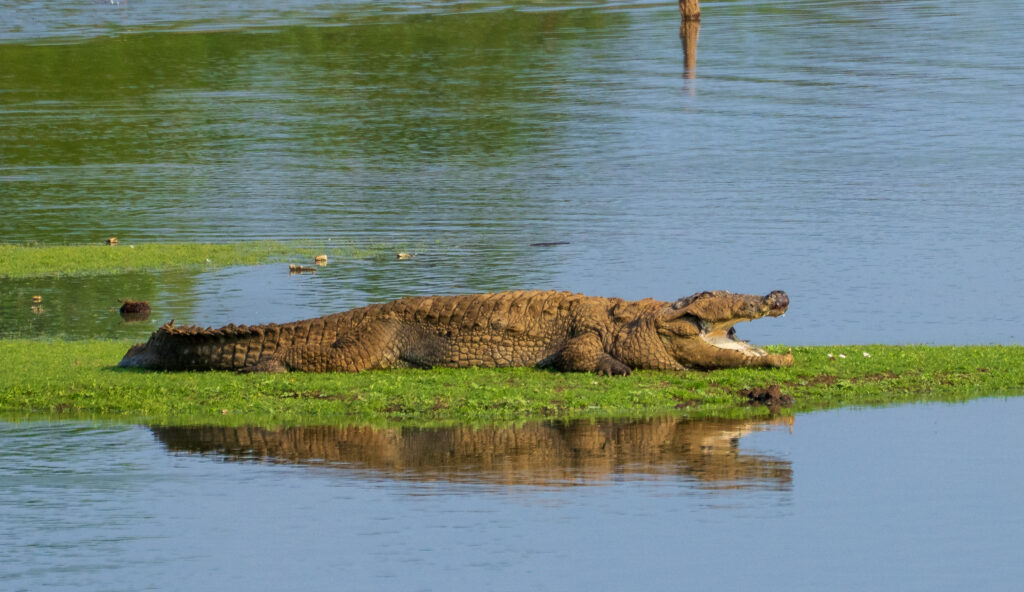
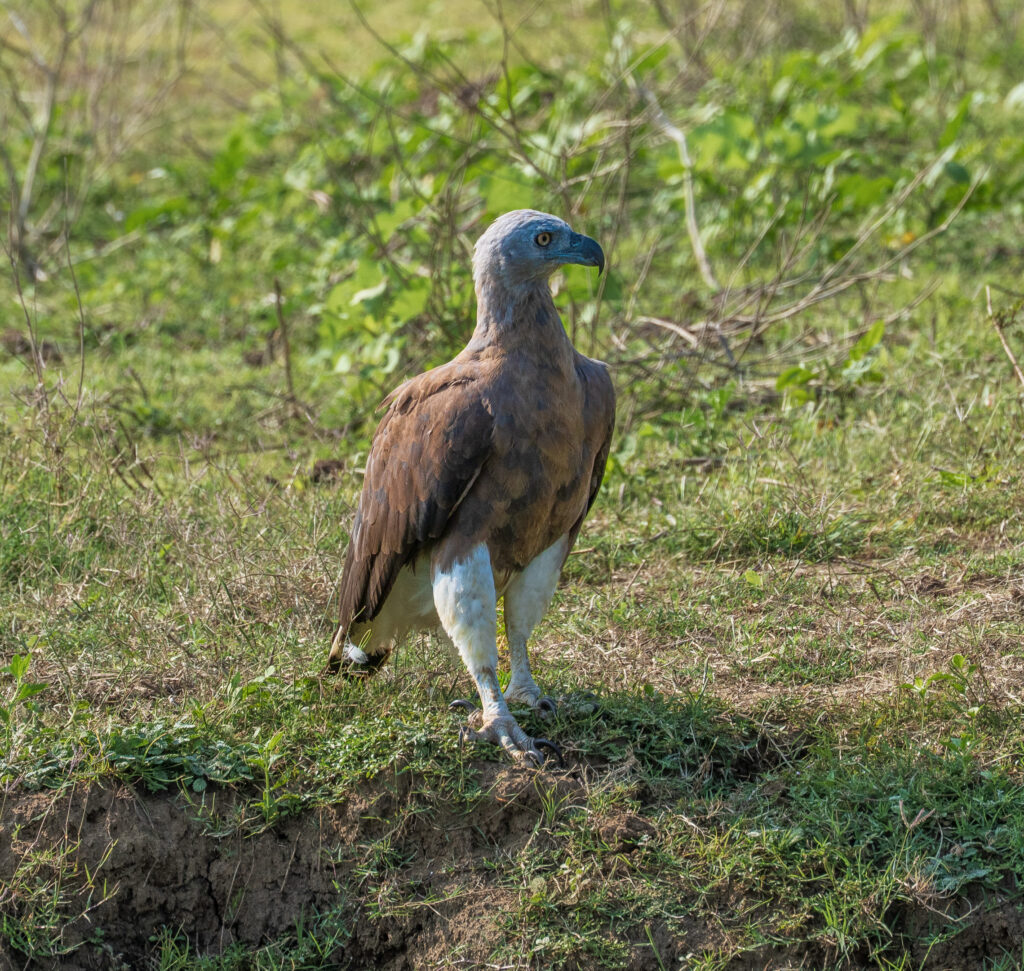
The morning hours in the park are the ones to be there for. The air is cool, the light is good for photography, and the animals are active. As the morning progressed and the temperature climbed, things slowed down considerably. We spent six hours in the park in total, which felt about right: long enough to stop for extended periods near the elephants, to watch how they move and feed and interact, rather than just driving past and ticking them off. There is a difference between a photograph of an elephant and actually watching one for twenty minutes at close range. The park, if you give it time, offers the second.
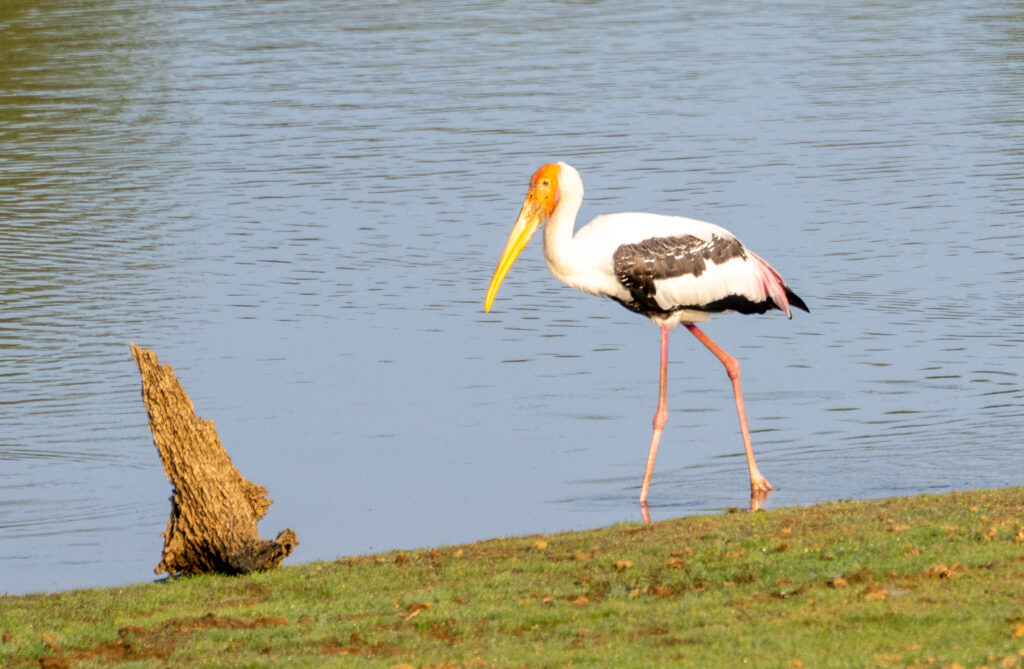
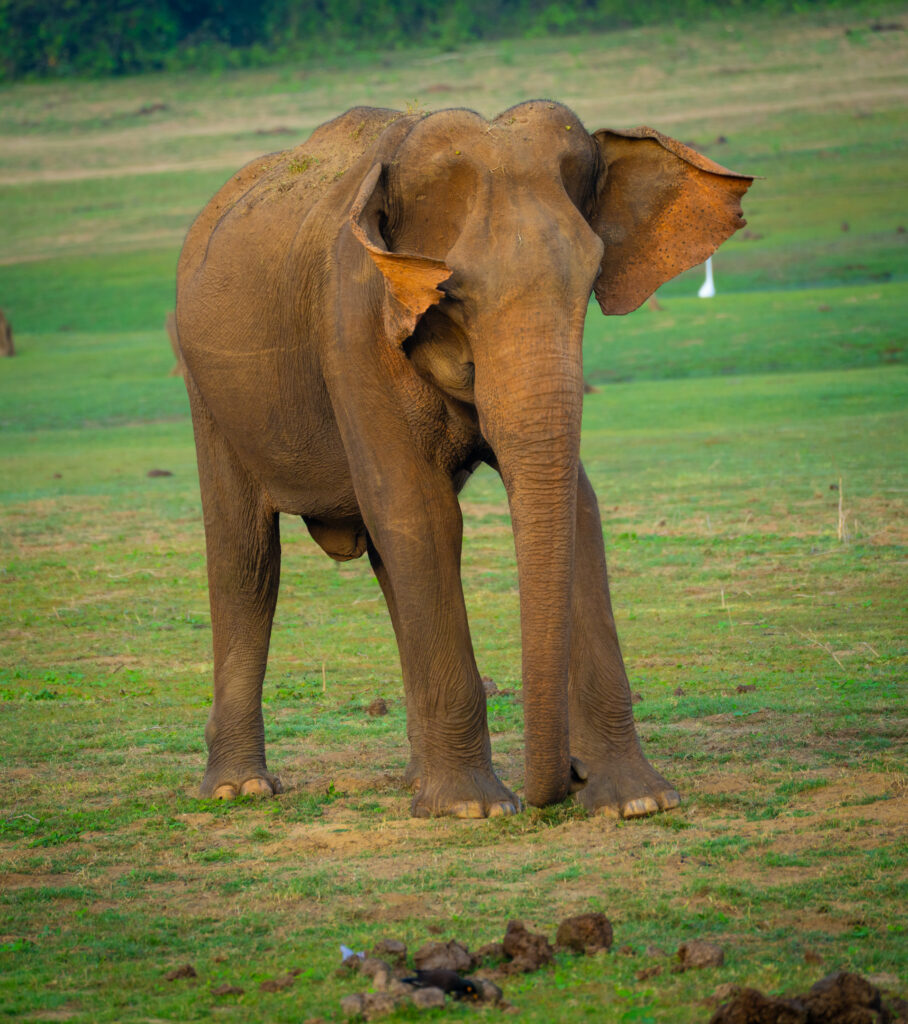
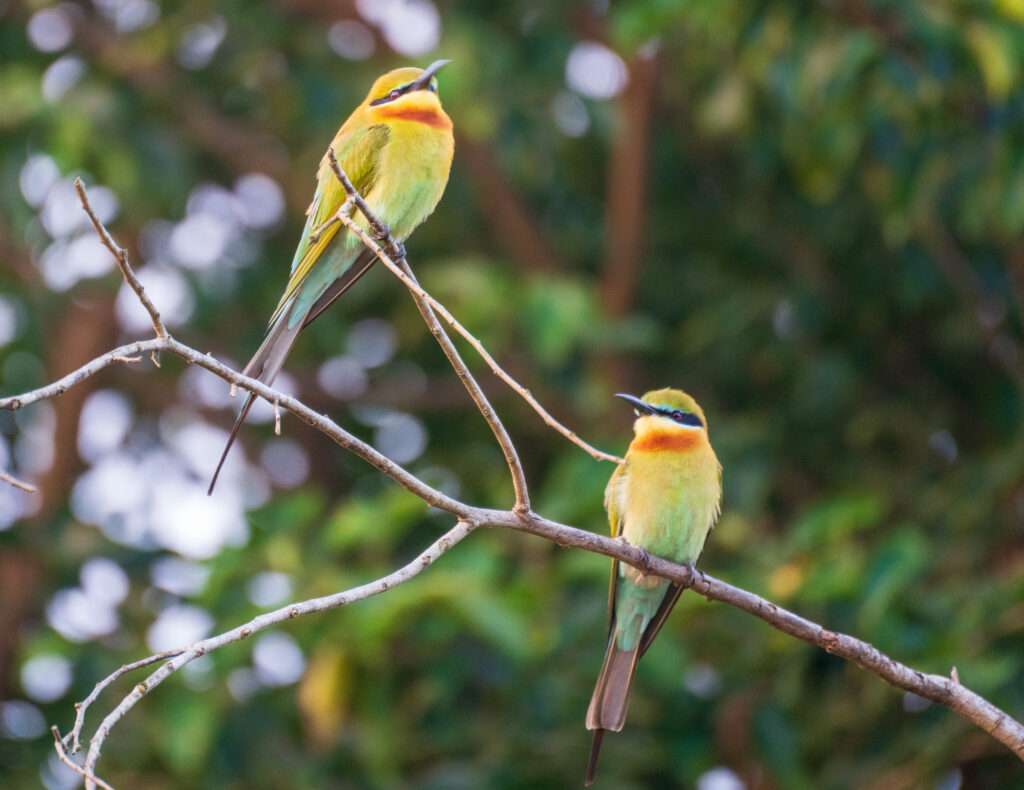
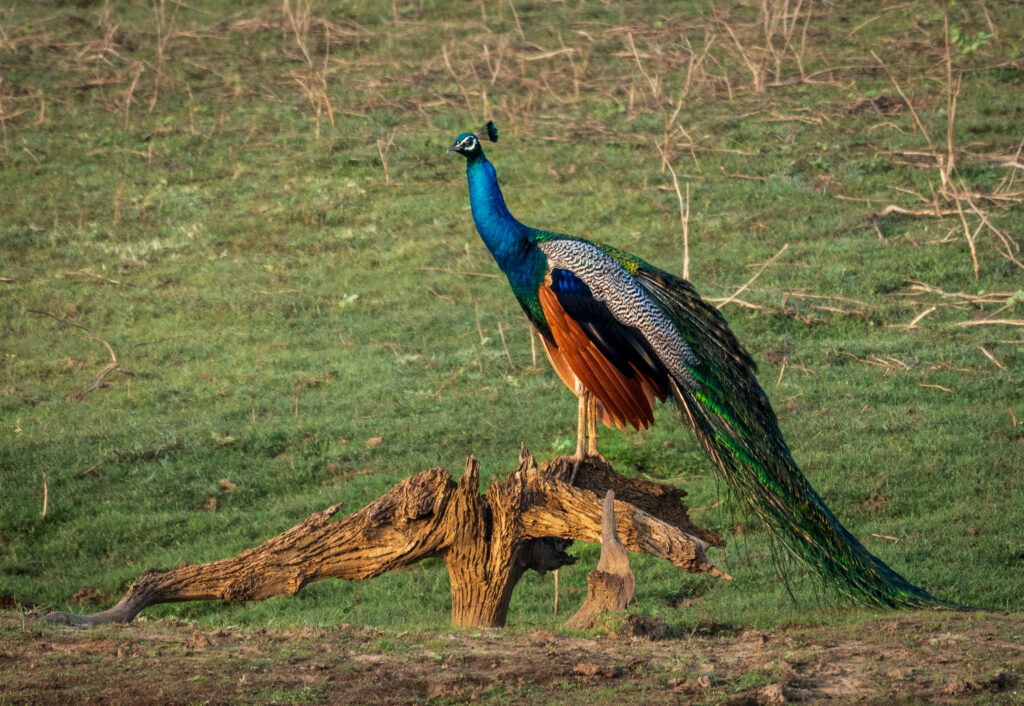
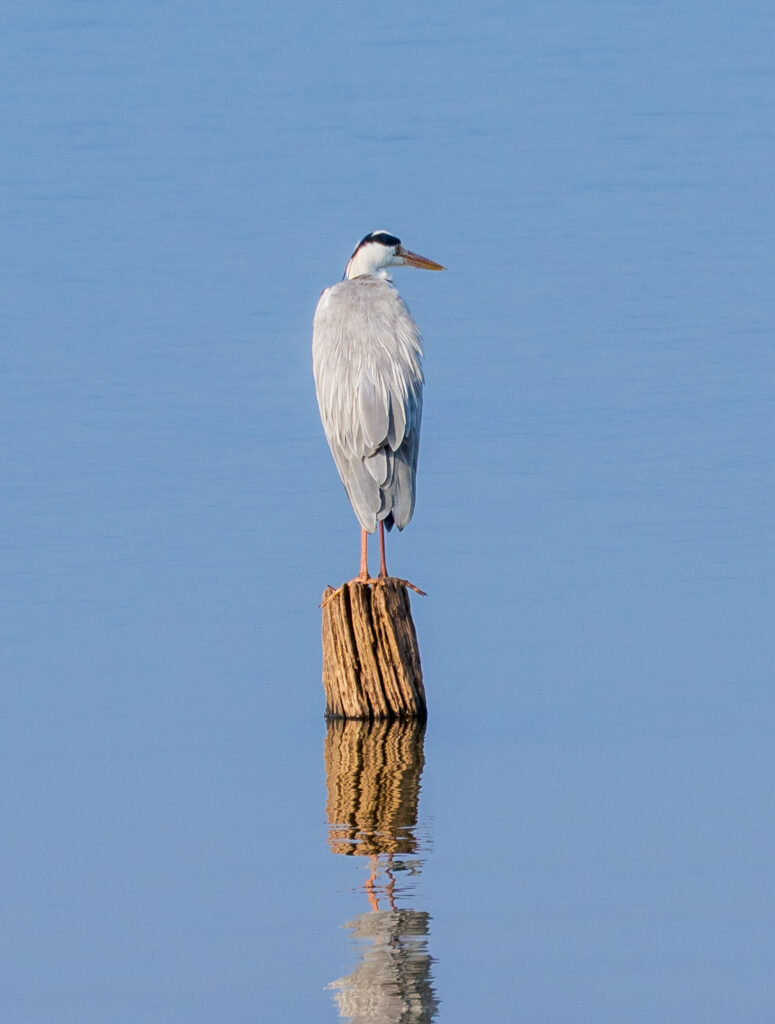
Some tour operators combine the drive from Ella with a safari and an onward transfer to the coast on the same day. That gets you the animals, but it means arriving at the park after sunrise and leaving before you have really settled into it. If you are going to Udawalawe, stay a night and take the early morning safari. It’s worth it.
Udawalawe National Park: how to do it right
- Book a 5:30 AM jeep safari from your hotel. That is the window for cool air, good photography light, and active animals. Most lodges near the park can arrange it in advance or when you arrive the evening before.
- Stay close to the park entrance, not in town. A lodge within a few kilometers also puts you within reach of the Elephant Transit Home, the government sanctuary for orphaned elephants. Visit it the afternoon before the safari.
- Check the Elephant Transit Home feeding schedule before you go. Feedings happen several times a day at fixed times and are the main event there.
- Ask your hotel to pack a breakfast box. There are no bathrooms in the park, so come prepared for that as well. The jeep will have snacks and water on board.
- Plan for about six hours in the park. Long enough to stop and watch animals at close range rather than just drive past them. The open grassland means you can spot things at distance.
- If you are traveling solo, ask at your hotel about sharing a jeep. Pricing is per vehicle, so one or two fellow travelers cuts the cost significantly.
- For cameras, a 100-300 mm lens handles most situations in Udawalawe. Elephants are often close; you do not need extreme reach.
Galle Fort
After lunch at the lodge I took a private car to Galle. The bus is an option but requires several transfers and takes considerably longer. Shared minivans are sometimes available, but none today. The drive took about two hours and I arrived in the late afternoon, in time for what turned out to be the best part of Galle: the hour before and after sunset on the ramparts.
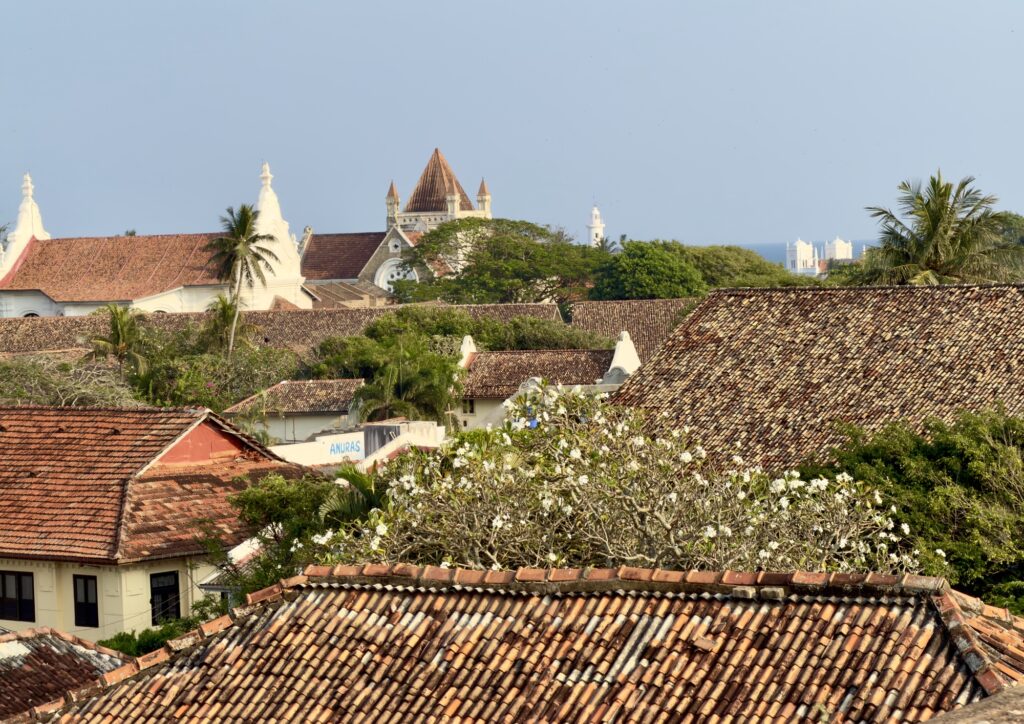
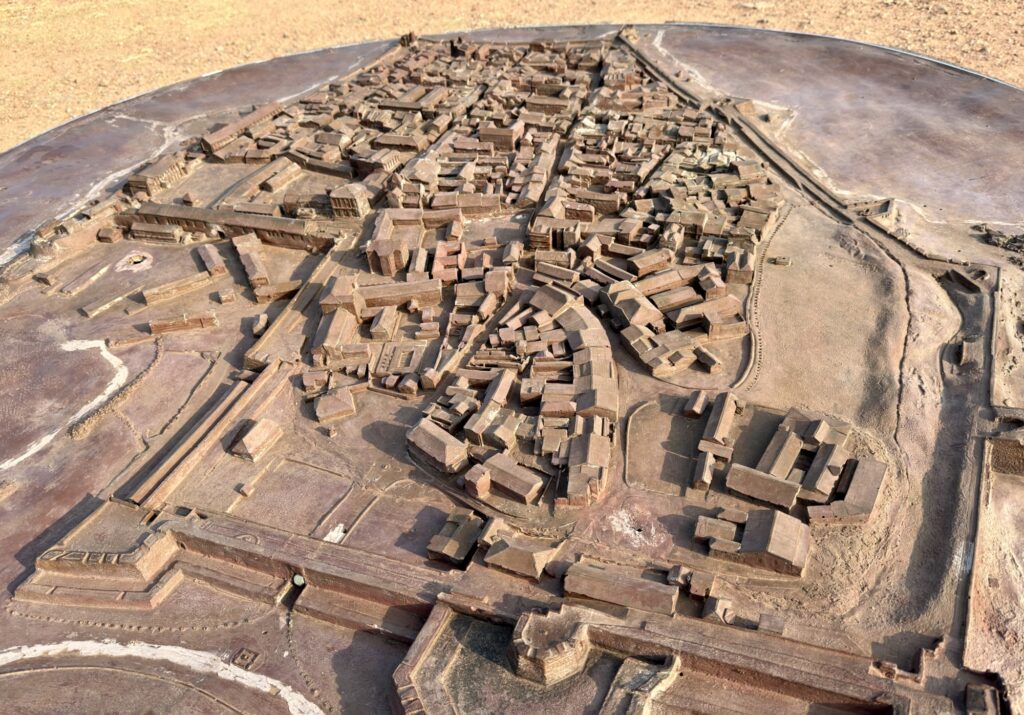
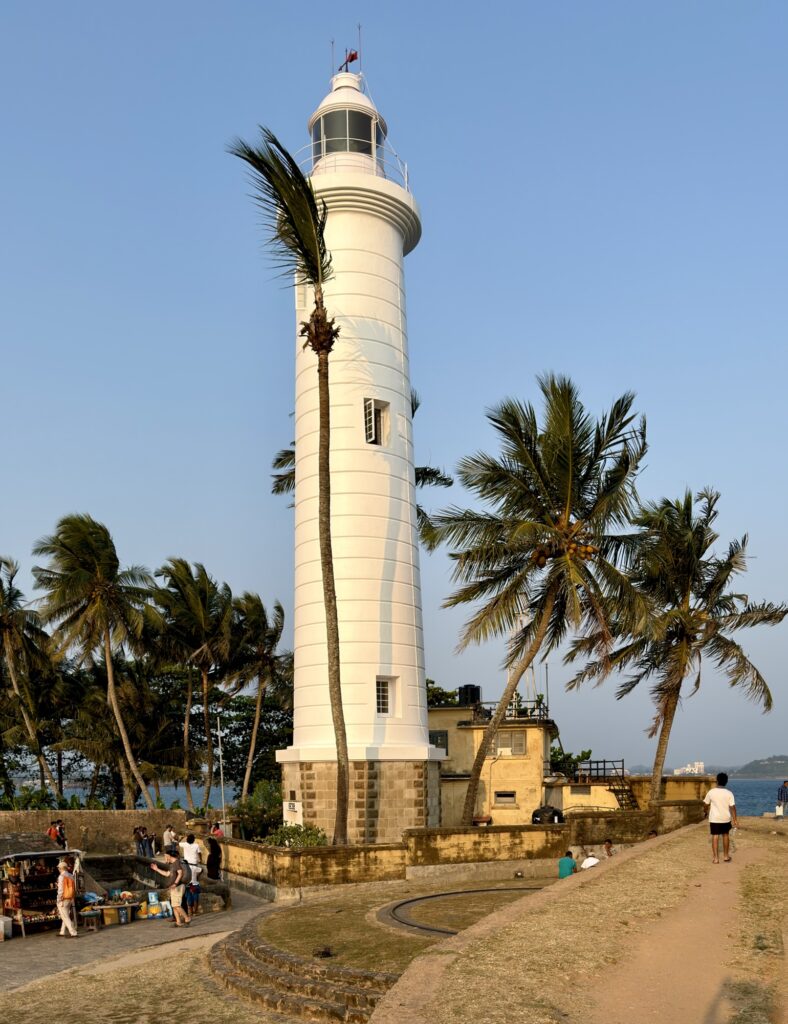
Galle Fort has been accumulating history since the Portuguese arrived on the southwest coast of Sri Lanka in the early 16th century. They established a small earthen fortification here in 1588, with a rampart and three bastions, to defend the harbor. In 1640 the Dutch allied with the Kandyan king to push the Portuguese out, and by 1656 Colombo had fallen and the whole coast was under Dutch control. The Dutch then did what the Dutch tend to do: they built properly. They enclosed the entire peninsula with thick stone walls, using coral and granite rather than the Portuguese earth and palisades, and added 13 bastions to the original three. The sea wall was completed in 1729. Beneath the streets they installed a sewer system flushed twice daily by the tides of the Indian Ocean, which still functions today. When the British arrived in 1796 they made some additions, including the main gate in 1873 and the lighthouse in 1848, but the essential structure was already there. The result is the best-preserved example of a European colonial fortified city in South and Southeast Asia, which is why UNESCO gave it World Heritage status in 1988.
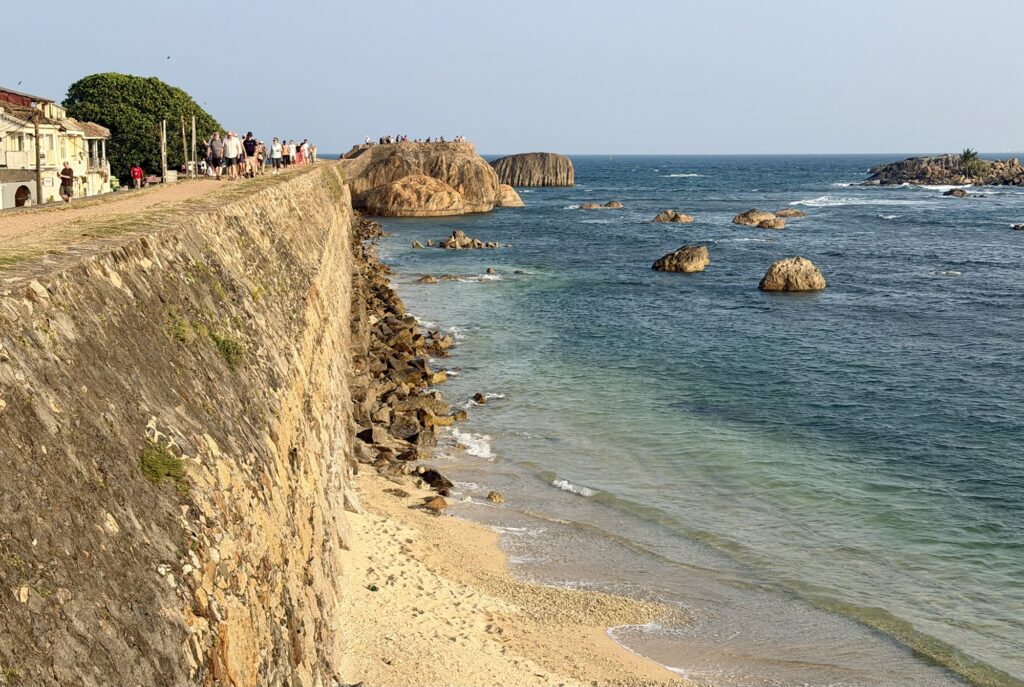
Walking the ramparts in the afternoon light is the thing to do. The seaward walls give you the Indian Ocean on one side and the old Dutch quarter on the other, and the light in the hour before sunset does what it does to old coral walls. I walked the full circuit, then spent the remaining evening light in the streets inside: Church Street, Pedlar Street, the Dutch Reformed Church from 1755 with its gravestones set into the floor, the old VOC gate with the Dutch East India Company monogram still visible in the stonework. The fort is compact enough that nothing is more than a ten-minute walk from anything else, and it rewards slow movement rather than a list of sights.
People still live inside the walls: a mix of Sinhalese, Moor, and Burgher families in among the cafes and boutiques and restored colonial houses. It has the slightly unreal quality of a place that is aware of its own beauty, but it carries it well. The history is too layered and too serious for it to feel merely decorative.
A safari, a two-hour drive, a walk on the walls, and a quiet evening in the old quarter. One more day left in Sri Lanka.
Galle Fort, Sri Lanka: what to know
- Stay inside the Dutch Fort walls. Hotels inside the historic district put you within walking distance of everything. Restaurants inside the walls are plentiful and reasonably priced.
- Walk the ramparts in the late afternoon and at sunset. The seaward walls give you the Indian Ocean on one side and the old Dutch quarter on the other. The light on the coral walls in the hour before dark is the best Galle has to offer.
- One full day is enough. The fort is compact: nothing is more than a ten-minute walk from anything else. Cover the Dutch Reformed Church (1755), the VOC gate, Church Street, and Pedlar Street. Walk slowly.
- The bus station is right outside the fort walls. Getting in and out is straightforward: buses to Colombo and along the south coast run frequently and cost very little.
India and Sri Lanka 2026 — all posts
- Day 1 — 24 Hours to Mumbai
- Day 2 — First Morning in Mumbai
- Day 3 — Exploring Mumbai
- Dhobi Ghat: Mumbai’s Laundromat
- Day 4 — Sightseeing in Colombo: One Day is Enough
- A Short History of Ceylon
- Day 5 — Kandy: Moving into the Mountains
- Day 6 — Moving on to Ella
- Day 7 — Hike and Sunstroke
- Tea in Sri Lanka: From a Blight in 1869 to Four Million Cups a Day
- Day 8 — Nine Arches Bridge
- Day 9 — Tuktuk Tour Around Ella
- Day 10 — Time to Leave Ella
- Orphans of Udawalawe: Inside Sri Lanka’s Elephant Transit Home
- Day 11 — Safari and Galle Fort
- Day 12 — Onwards to Negombo for the last day in Sri Lanka
- Day 13 — All the problems concentrated on a single day
- Royal Enfield: Why India Rides Different
- Day 14 — The Kerala Backwaters
- Day 15 — Local bus to Munnar
- Leyland, a familiar name from the past
- Buying a beer in Kerala: Local knowledge required
- Mahindra: The Jeep That Never Left