

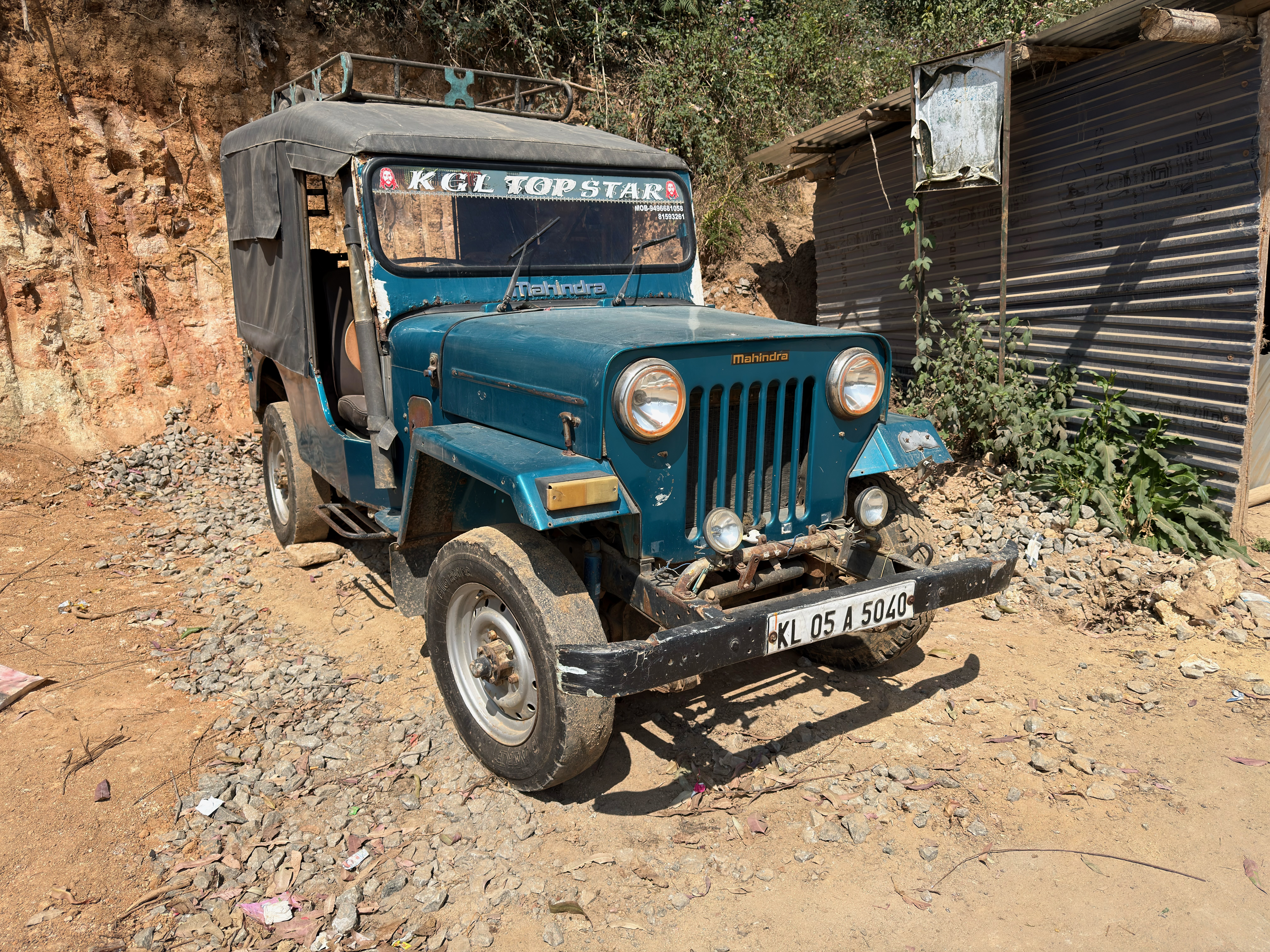

The vehicle that keeps appearing on Kerala’s roads looks, at first glance, like something that rolled off an American assembly line in 1953 and somehow ended up here. The flat bonnet, the round headlights, the boxy upright body. It is unmistakably a Jeep — except the badge on the front says Mahindra.
The connection is direct. When India became independent in 1947, the new government needed utility vehicles and needed them domestically produced. Mahindra & Mahindra, then a steel trading company founded by two brothers in Mumbai just two years earlier, negotiated a license to assemble the Willys Jeep — the same vehicle that had been built in enormous numbers for the Allied forces during World War II. The tooling existed, the design was proven, and India needed exactly what the Jeep was: simple, robust, repairable by anyone with basic tools.
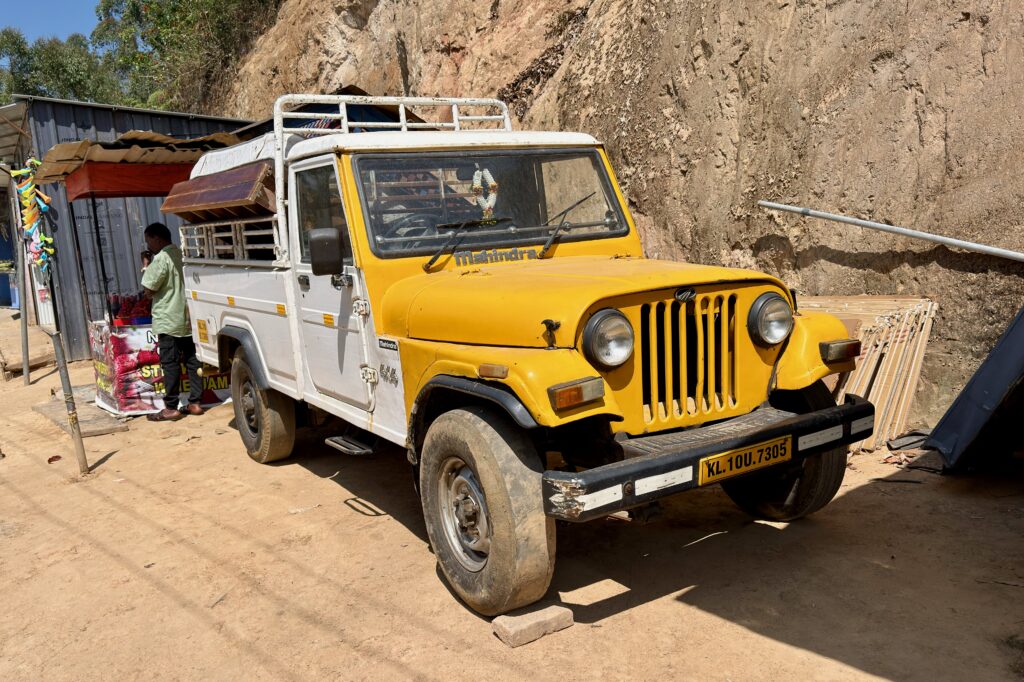
What Mahindra did was keep building it. While the original Willys company changed hands multiple times and eventually became part of what is now Stellantis, Mahindra continued refining their version for Indian conditions. The basic architecture stayed recognizable for decades. Even today, their workhorse models — particularly the Bolero — carry the visual DNA of that original Willys license, though the engineering underneath has evolved considerably.
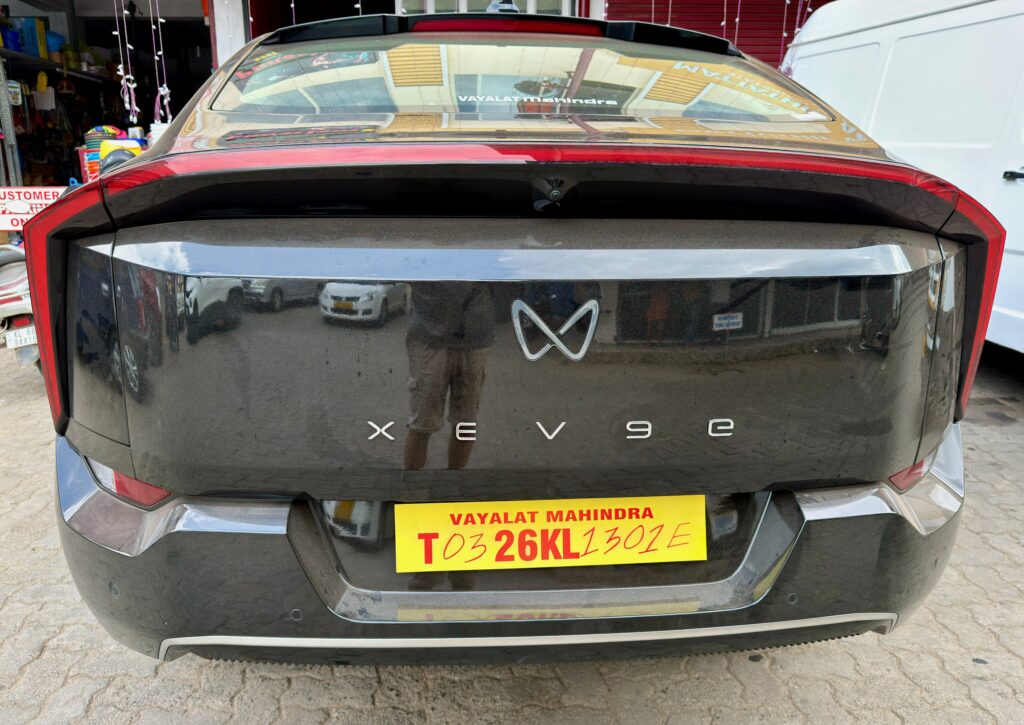
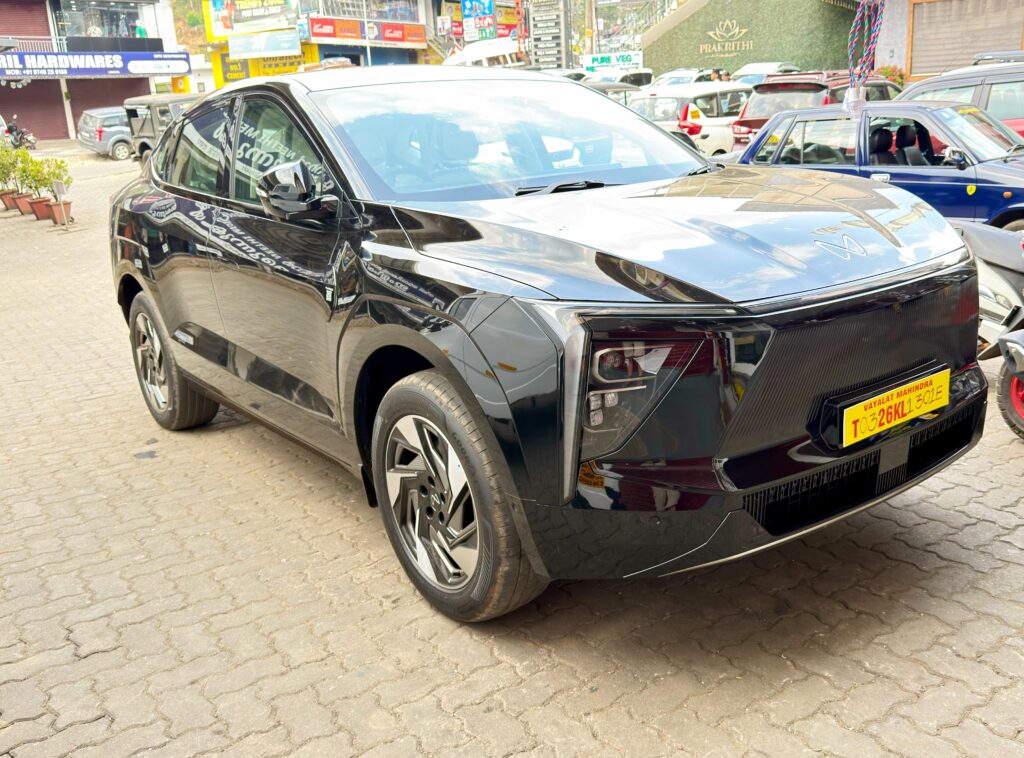
The larger SUVs are a different story. The Scorpio and the XUV series are modern vehicles by any standard, developed entirely in-house, increasingly competitive in markets outside India. Mahindra has been investing heavily in electric vehicles and acquired a stake in Pininfarina, the Italian design house, to develop a premium EV range. It is a long way from a 1947 Willys license agreement.
But on a mountain road in Kerala, when a battered Mahindra Jeep comes around a bend with four people and a pile of goods in the back, it is hard not to see the lineage. The same proportions, the same utilitarian logic. A design that worked, transplanted to a different country, and kept working for seventy-five years.
India and Sri Lanka 2026 — all posts
- Day 1 — 24 Hours to Mumbai
- Day 2 — First Morning in Mumbai
- Day 3 — Exploring Mumbai
- Dhobi Ghat: Mumbai’s Laundromat
- Day 4 — Sightseeing in Colombo: One Day is Enough
- A Short History of Ceylon
- Day 5 — Kandy: Moving into the Mountains
- Day 6 — Moving on to Ella
- Day 7 — Hike and Sunstroke
- Tea in Sri Lanka: From a Blight in 1869 to Four Million Cups a Day
- Day 8 — Nine Arches Bridge
- Day 9 — Tuktuk Tour Around Ella
- Day 10 — Time to Leave Ella
- Orphans of Udawalawe: Inside Sri Lanka’s Elephant Transit Home
- Day 11 — Safari and Galle Fort
- Day 12 — Onwards to Negombo for the last day in Sri Lanka
- Day 13 — All the problems concentrated on a single day
- Royal Enfield: Why India Rides Different
- Day 14 — The Kerala Backwaters
- Day 15 — Local bus to Munnar
- Leyland, a familiar name from the past
- Buying a beer in Kerala: Local knowledge required
- Mahindra: The Jeep That Never Left